
 •
Rating:
•
Rating:
THE REVIEW
The Marche-based band Gang debuted in 1984 with the self-produced mini-lp "Tribe's Union", quickly earning a solid reputation (in the Italian alternative scene) as the most classic '77 punk band—a militant and combative punk deeply connected to the Clash of "Sandinista!", a combat-rock with a Latin and Caribbean flavor.
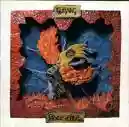
Gang are now the rising stars of our domestic rock scene, and after years of concerts, they release their first real album, "Barricada Rumble Beat", in 1987, where they continue their discourse, enriched by the presence of Billy Bragg, by a more folk touch, and by greater care and eclecticism of the arrangements. However, their stance does not change and is confirmed by the cover of James Booker's "Junco Partner", already done by the Clash in "Sandinista!".
With the subsequent album "Reds" (1989), they transition to CGD and towards more combat-folk sounds; with "Le radici e le ali" (1991), finally, there is a shift from English to Italian, which leads to a definitive departure from their initial models and an approach to typically Italian songwriting and rock. Unfortunately, they do not achieve vast public acclaim.
The initial enthusiasm and genuineness mix with a bit of rhetoric and naivety, but, led by the Severini brothers, the group reaches full maturity with the next album, "Storie d'Italia", in 1993, where they take a very specific path (not my favorite, but still achieving excellent results): that of popular songwriting. Produced by Massimo Bubola, who also collaborates on some tracks, the album presents profound and denunciatory lyrics (especially "Duecento giorni a Palermo") and is played masterfully with the addition of accordions.
With popular and festive sounds ("Kowalsky"), courageous lyrics ("Il partito trasversale"), folk ("Dove scendono le strade"), rock ("Itab Hassan Mustapha"), and singer-songwriter style ("Cambia il vento"), the album offers a truly beautiful album, which can be always listened to with ease.
After "Una volta per sempre" in 1995, "Fuori dal controllo" (1997) brings them back towards more rock sounds and to "Controverso", another great testimony, where they pay tribute to the great Andrea Pazienza with "Paz".
A band, often forgotten, that deserves respect and... a listen.
Loading comments slowly
Summary by Bot
Gang, a Marche-based Italian band, evolved from militant punk to a mature fusion of folk and rock with socially conscious lyrics. Their 1993 album Storie d'Italia stands out for its rich arrangements and powerful storytelling, produced by Massimo Bubola. The album blends various musical styles including folk, rock, and singer-songwriter elements, creating a timeless and engaging listen despite the band's limited popularity. Overall, Gang deserves recognition for their commitment and unique sound in the Italian music scene.Tracklist Videos
01 Kowalsky (05:30)
02 Cambia il vento (04:41)
03 Via Italia (05:33)
04 Itab Hassan Mustapha (05:17)
05 Dove scendono le strade (05:26)
06 Il paradiso non ha confini (04:20)
07 Eurialo e Niso (05:41)
09 Duecento giorni a Palermo (05:19)
10 Il partito trasversale (04:20)
11 Buonanotte ai viaggiatori (05:52)
The Gang
The Gang is an Italian band from Filottrano (Marche) led by brothers Marino and Sandro Severini. After English-language, Clash-influenced beginnings (Tribes' Union; Barricada Rumble Beat, with Billy Bragg), they shifted to Italian and folk-rooted sounds (Le radici e le ali; Storie d’Italia, produced by Massimo Bubola), later embracing Americana with producer Jono Manson. Recent highlights include Sangue E Cenere, Calibro 77, and the crowdfunded Ritorno al fuoco.10 Reviews
