 •
Rating:
•
Rating:
THE REVIEW
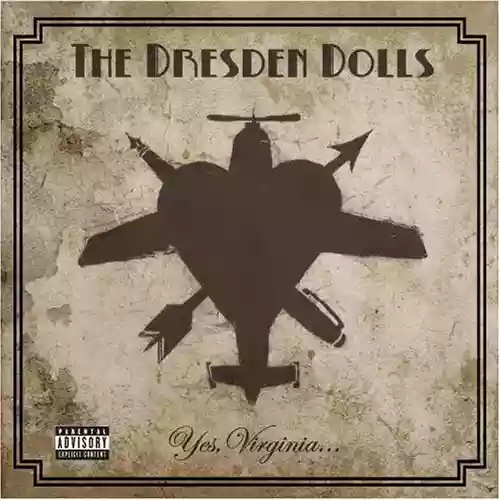
In 1897, Virginia O'Hanlon, an eight-year-old girl, asked the director of the New York Sun about the existence of Santa Claus. The answer to this naive question gives the title to the second work by the Dresden Dolls, an album that is anything but naive.
Singer/pianist Amanda Palmer and drummer Brian Viglione have performed a real miracle, considering their self-titled debut released by Roadrunner in 2004. The thirteen gems of Yes, Virginia are indeed catchy and at the same time highly refined, without merely reiterating the successful “Brechtian punk cabaret” (a genre coined by the Dresden Dolls themselves) that characterized their beginnings.
The duo from Boston, precisely because they are offspring of a very specific past (the “degenerate” German cabaret of the 1920s and all that follows), is so out of sync with currently reigning musical genres that it paradoxically comes across as new and startling. Amanda's piano always serves the songs and never the other way around, while Brian's drumming, in addition to being clean when needed (Backstabber, Mrs. O, Mandy Goes To Med School), can also hit hard in the more tumultuous tracks (Sex Changes, Necessary Evil, Modern Moonlight).
As for the lyrics, even the most controversial ones always have their valid reason. First Orgasm and Sex Changes tackle themes related to sexuality by taking unusual paths. In Mrs. O Amanda sings “There's No Hitler and No Holocaust / No Winter and No Santa Claus / And Yes, Virginia, All Because / The Truth Won't Save You Now”. Only with malice could one fail to grasp the tortured relationship between art and truth that Amanda Palmer manages to stage through her paradoxical statements.
The concluding Sing – apart from a series of “f***s” that clash quite a bit with the intimate atmosphere of the piece – features a guitar, an instrument usually banned by the Dresden Dolls.
Yes, Virginia is an artistic and political manifesto. Artistic for obvious reasons, but especially political for the open challenge it poses to currently existing social conventions. A great example of “degenerate” art.
Loading comments slowly
Summary by Bot
Yes, Virginia by The Dresden Dolls is a refined and catchy second album that evolves their 'Brechtian punk cabaret' genre. Amanda Palmer’s piano and Brian Viglione’s drumming create a unique and dynamic sound. The lyrics explore complex themes of sexuality and truth, challenging social conventions. The album stands as an artistic and political manifesto with a fresh and bold approach.Tracklist Lyrics Videos
The Dresden Dolls
The Dresden Dolls are an American duo formed in Boston in 2000 by singer/pianist Amanda Palmer and drummer Brian Viglione. Known for a theatrical, self-described “Brechtian punk cabaret” style, they earned acclaim with their self-titled debut and the ambitious follow-up Yes, Virginia....03 Reviews
