
 •
Rating:
•
Rating:
THE REVIEW
In the wake of the success achieved with their magnificent debut album, the Doors return to the studio to record new songs and create new music. The band had gained a certain fame in the psychedelic rock music scene, people praised the Doors, and they even opened for the Who. The hippie movement is in full swing, Jim Morrison, the band leader, is an LSD user, which often causes him to feel unwell on stage. The success garnered with "The Doors" (1967) is appreciated by Jim, who enjoys being the center of attention, feeds off the fans' acclaim, and the other members of the band do not suffer from the leader's egocentricity and the strong fan acclaim towards him.
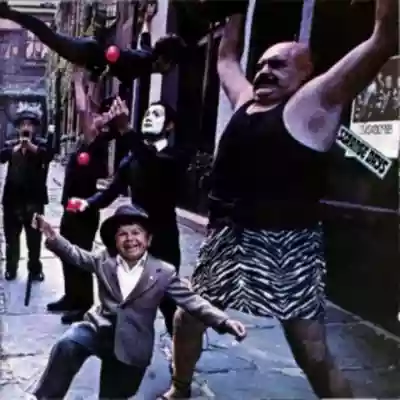
The second album by the Doors, "Strange Days," released at the end of 1967, appears different from its predecessor. The atmosphere is more poignant, there's melancholy, and it is felt in Jim's voice and the musicians' playing of their instruments. Robby Krieger's slide guitar gives the music a magical effect, creating a shroud of mystery, aided by Ray Manzarek’s psychedelic keyboards. John Densmore perfectly represents the ideal drummer; his rhythm is fundamental. With no bassist, Ray Manzarek plays a Rhodes Piano Bass with his left hand while simultaneously playing the keyboards. Additionally, John Densmore’s drumming technique makes the sound more compact. The keyboards delight the listener in tracks like the title track, "Strange Days," and "Unhappy Girl." The guitar prevails in "Love Me Two Times" and "People Are Strange," two very famous songs in the Doors' repertoire.
Particularly significant are the song lyrics, written by Jim; at times, they may seem trivial but are not at all. Jim is a cursed rock poet, a solitary author who reads books by Blake and writes poem after poem, song after song. The album includes a song dating back to 1965, "Moonlight Drive", a track previously discarded from the list for "The Doors" (1967) but was salvaged: "Moonlight Drive" is the first piece that reaches Ray Manzarek’s ears and gives birth to the idea, with Jim, of forming a band. Notable, poignant, and full of meaning is the marvelous closing track, "When the Music's Over," a love declaration from Jim to music (music is your only friend until the end).
A very original album, certainly inferior to The Doors, but full of feeling and a sense of estrangement from reality.
The 9 is well deserved.
Loading comments slowly
Summary by Bot
Strange Days, the second album by The Doors, showcases a more poignant and melancholic atmosphere than the band's debut. Jim Morrison's poetic lyrics and the band's cohesive instrumentation highlight their evolution in the psychedelic rock scene. Key tracks like Love Me Two Times and When the Music's Over exemplify their musical and lyrical depth. While deemed slightly inferior to their debut, the album remains original and emotionally compelling.Tracklist Lyrics Videos
The Doors
American rock band formed in Los Angeles in 1965. Core members: Jim Morrison (vocals), Ray Manzarek (keyboards), Robby Krieger (guitar), John Densmore (drums). Known for a distinctive organ-led sound, theatrical live shows and landmark albums (The Doors, Strange Days, L.A. Woman).64 Reviews
Other reviews
By Grasshopper
"Strange Days manages not to make us miss its predecessor too much."
"The absolute, breathless despair of 'The End' is replaced by a hard and concrete rage in 'When The Music's Over.'"
By expresuntuoso
"An atmosphere like a haunted house with a voice that seems to sing through a megaphone underwater."
"When you’re strange, no one remembers your name..."
By joe strummer
The piano is the absolute protagonist in creating the hypnosis; the words perfectly fit into the musical fabric giving life to something subliminal.
‘Cancel my subscription to the resurrection’ is the emblematic phrase, Morrison leads us to explore the depths of the subconscious.
By nikko89
"Strange days have found us, and that’s already saying everything."
"When the music’s over," worthy counterpart of the Oedipal "The End" from the first album.
By Alevox
"Jim Morrison is no longer a singer: he is an angel of the apocalypse."
"Strange Days found them at the height of theatrical and poetic expression, capturing the anomaly beneath the era's surface."
