
 •
Rating:
•
Rating:
THE REVIEW
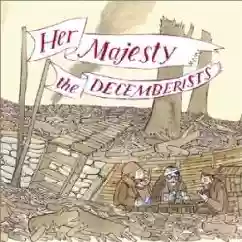
Listening to a Decemberists album is a bit like flipping through one of those children’s books, those collections of tales filled with drawings that have the bizarre fate of imprinting themselves in your memory forever: pirate ships caught in storms, paths that disappear into mysterious woods, animals in jungles, wolves preying on pure maidens, old houses on pastel-colored prairies, chimney sweeps. Images that have the aftertaste of elementary school, of textbooks, and end up taking on faded colors, those of old photos and old televisions. Listening to the second Decemberists album, released in 2003 just a year after their debut, is exactly this: recovering something that is lost in the past, without ever letting you understand where, thus always leaving you with the desire to listen to the album again and throw yourself back into the adventure.
From Portland, Colin Meloy and company land on your home stereo like an old ship in a wooden European port: they carry their instruments on their shoulders, gather their meager belongings, and strike up an unmistakable indie-folk, with Meloy’s sharp and nasal voice that, although at times reminiscent of an old woman with a cold on the phone, and despite being very slightly varied and modulated, knows how to give the pieces the air they deserve, like an old print that’s somewhat anachronistic and surreal. In the square of a nineteenth-century town or on the wooden waterfronts of a port, they offer their festive show, like gypsies or street performers: at times they stage a passionate and creaking gangster folk with shades covering the States from the southern countryside to the metropolises ("Shanty For The Arethusa"), at other times, after changing the background scenery, they don old costumes and delve into vaudeville ("Billy Liar"), elsewhere they act as true itinerant and clarinet-playing minstrels ("Los Angeles I'm Yours").
The instrumental texture is always very simple: acoustic guitars, organ, accordion, a discreet but not accessory drum. Occasionally, some wind instruments appear (like in the beautiful finale of "The Soldiering Life"), strings, pianos. Nothing is ever out of place. In "The Gymnast, High Above The Ground", the atmosphere becomes suspended, with the guitar arpeggio appearing to vibrate like the wind on your face; the piece remains soft even when a drumming beats in the background, even when the choruses’ openings lift the song from the ground and strings suspend it in midair. Over seven minutes that do not bore at all, thanks to a splendidly mimetic execution. The entire album, in fact, has open, en plein air, spring-like sounds, and it’s no surprise if Meloy starts singing "finiculì finiculà" during "Song For Myla Goldberg", because when the Decemberists are happy, they don't hide it at all, on the contrary, they pull you in between them, tugging at your shirt. And the beauty is that they are never sad, but at most just a little languid and wary (as in "The Bachelor And The Bride", with noir chords and organ), or nostalgic (as in the acoustic "Red Right Ankle"). Then, when they are languid and weary, delicate and heavy, they are like an old sailor half-drunk, slouching on the benches of a smoky tavern, always with one eye open, and then memorable pieces like the lively "The Chimney Sweep" are born, reminiscent of Dickensian England, especially when the accordion begins, and you’re catapulted into red nineteenth-century suburbs where a beggar musician, at the street corner, spits on the ground between one song and another. Sooty frenzy, foreboding "The Mariner's Revenge Song" in "Picaresque".
And so the book closes, after a string of sweet ballads and more staggering and drunken moments, that constrict and expand your organs like an accordion, letting you enter into their folds upon first listen. The Decemberists close their instruments in dusty cases and set sail again: but you have the clear impression, as people wave handkerchiefs to bid them farewell, that they will return to you soon.
Loading comments slowly
Summary by Bot
Her Majesty by The Decemberists is a richly nostalgic indie-folk album that feels like flipping through a storybook filled with vivid, timeless tales. Colin Meloy's distinctive voice and simple, effective instrumentation create a rich atmosphere that captures varied moods—from festive to melancholy. The album seamlessly blends theatrical storytelling with rustic sounds, inviting listeners into an immersive musical adventure. Tracks like 'The Mariner's Revenge Song' and 'The Chimney Sweep' highlight the band's ability to evoke vivid images and emotions.Tracklist Lyrics Videos
The Decemberists
The Decemberists are an American indie rock/folk band from Portland, Oregon, formed in 2000 and led by Colin Meloy. Known for literary storytelling, rich arrangements, and occasional rock-opera ambitions, they’ve released acclaimed albums from Castaways and Cutouts to The Crane Wife and The King Is Dead.09 Reviews
