
 •
Rating:
•
Rating:
THE REVIEW
The Cure's third studio album is probably one of the most important in their intense career. Already with "Three Imaginary Boys," they had helped launch the dark movement that was introduced by the timeless Joy Division (whose singer Ian Curtis committed suicide at that time, on May 18, 1980) and which was later accompanied by fundamentally essential bands such as Bauhaus and Sisters Of Mercy.
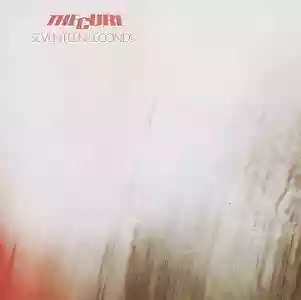
"Seventeen Seconds" was released in April 1980, introducing keyboards for the first time into the band’s sound. Splendidly accompanied by the new bassist Simon Gallup, Robert Smith embarks this time on a true inner search, trying to analyze and reproduce all aspects of his pain, focusing primarily on the melodies and putting aside the typically punk spirit that had accompanied the previous works. All the tracks on the album are wonderful, starting from the instrumental "A Reflection" and moving to songs like "Play For Today" and "Secrets," which highlight not only the now-achieved maturation of the band but also Smith’s profound nihilism, which he tries in every way to emphasize with his instruments. "Three" and "The Final Sound" are two more instrumentals that precede what, in my opinion, is the best song the Cure have written. No, maybe not; but it is probably the one that best expresses their conception of music and makes their charm tangible. I'm talking about "A Forest": it’s the bass, accompanied by Smith's voice, that dominates, with a hypnotic and enveloping gait, while the atmosphere the notes manage to evoke, dark and decaying, combined with the fascinating lyrics ("Suddenly I stop but I know it's too late, I'm lost in a forest all alone") truly manage to evoke in the listener the sensation of finding oneself in the dark in a forest, alone and disoriented.
"Seventeen Seconds" is a seductive and enchanting album, clearly showing the group's influences (Joy Division and Siouxsie above all) but even more so showing the maturity of a band that had already, even back then, managed to establish itself in the world of dark music. Fundamental.
Loading comments slowly
Summary by Bot
The Cure's third album, Seventeen Seconds, marks a pivotal moment in their career and the dark music scene. Introducing keyboards and featuring bassist Simon Gallup, the band shifts from punk to a more introspective and melodic style. Standout tracks like 'A Forest' exemplify the album's hypnotic and melancholic mood. This album solidified The Cure's position as influential pioneers of the gothic rock and post-punk genres.Tracklist Lyrics Videos
The Cure
The Cure are an English rock band formed in Crawley and led by singer-songwriter Robert Smith. Since the late 1970s they have moved between post-punk, gothic atmospheres and pop-oriented experiments, producing widely admired albums such as Disintegration and Pornography.89 Reviews
Other reviews
By Mariaelena
‘Seventeen Seconds’ is the most fertile masterpiece of morbid and paranoid sanguine vision of a perverse yet true and transcendental love.
Robert shaper of the very and absolute Self, this is the story of the true love of ‘Seventeen Seconds’ that will soon continue with Faith.
By Rocky Marciano
The Cure with their third album dove into dark atmospheres for the first time crafting their first masterpiece.
The dreamlike and chilling sound of the synthesizers that open 'A Forest' mixes with hypnotic guitar phrases, a cold drum, and a sinister, shadowy guitar line.
