
 •
Rating:
•
Rating:
THE REVIEW
The first album, "See This Through And Leave", opened with a very light touch of electronics and continued as a good electro-rock album, probably the English debut of the year.
The second album, "Kick Up The Fire, And Let The Flames Kick Loose" (what a wonderful title), opened with a soft carpet of loops and continued as an art-rock masterpiece, one of the best English albums of my own.
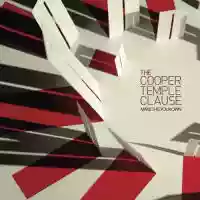
The third album, "Make This Your Own" (what a banal title), opens with a nervous guitar, an aggressive voice, and continues with a sense of foreboding. It's not a good omen either that a hurried listen suggests the best of the batch is the next track, "Homo Sapiens", a raunchy metal-rock for MTV-esque palates, and the subsequent one even the more commercial, "Waiting Game", which instead seems to sound like a decadent cross between the rhythm section of Feeder and Brian Molko (no wonder the two songs were introduced as singles).
The last album from the worst-dressed band in the United Kingdom, "The Cooper Temple Clause" (what a magnificent name), is one of the most anticipated releases of recent years, due to a career matured through a very particular search for sound, which has roots in that oblique pop-rock that flatters us craving alternative pulses, without disdaining even more refined Radiohead-like sorties.
Previously some changes caused concern for the guys: one in the lineup (the departure of the bassist for the comfortable arms of the unbearable Carl Barat - see "The Libertines") and one in the label, after the major double whammy that had opened the dances.
Leaving the post experiments at home, then, "The Cooper Temple Clause" seeks, through these new ten tracks, the pursuit of melody at all costs, even at the risk of bordering on Placebo-esque plagiarism of the innocuous and annoying "What Have You Gone And Done?", strategically placed as the turning point. Did they want to cash in with this? The doubt remains. "Make This Your Own" is not a bad album, as long as it is given due time and one can grasp the intact stature of pieces like "Head", beautiful with its heavy and thoughtful articulations; or the closure of "House Of Card", with the voice (which I personally adore and in this last effort seemed often tired) reaching the ancient vibrations of a small jewel like "Written Apologies"; or finally the sudden changes in "All I See Is You", which starts off soft before once again touching dangerous alternative metal, and which the crystalline class manages to stop at the brink of the abyss.
Two and a half stars, then, which rise to three because ogni scarrafone è bello a mamma soja.
Loading comments slowly
Summary by Bot
The Cooper Temple Clause's third album 'Make This Your Own' shifts toward a more melodic, commercial sound compared to their previous work. While it includes some strong tracks like 'Homo Sapiens' and 'Head,' the album is viewed as less innovative and occasionally derivative. The reviewer points out lineup changes and label switches as factors impacting the album's direction. Overall, the album receives a mixed but patient recommendation.Tracklist Lyrics Videos
The Cooper Temple Clause
The Cooper Temple Clause are an English alternative rock band from Reading, known for fusing guitars with electronics and dynamic shifts. Active from 1998 to 2007, they released three studio albums, earning particular acclaim for their second, Kick Up the Fire, and Let the Flames Break Loose.03 Reviews
