
 •
Rating:
•
Rating:
THE REVIEW
Few albums in the history of rock can be defined as "masterpieces" without fear of being considered exaggerations: "London Calling" fully belongs in this category.
The Clash create something extraordinary here: a formidable work from the first to the last note, characterized by a variety of styles and musical genres that form a perfect alchemy. It's 1979 and with this album, the band is preparing to definitively soar beyond punk territories, after the rough self-titled debut album and "Give'em Enough Rope", where one could already sense that something was changing.
Their choice was certainly not an easy one; they knew well that the fans from the early days wouldn't accept this "betrayal", but at the same time, the guys were aware of a talent that couldn’t remain trapped within the narrow confines of such a raw genre. So, there was a total openness to new sounds, without forgetting the grit and that "positive charge" that their music has released from the very beginning.
And it is in this climate that immortal tracks like the title track are born, an absolute masterpiece that in three minutes projects the album into legend: great rhythm and a "Clash-style" text are the main ingredients. And what about the ska of "Rudie Can't Fail"? Really hard to stay still while listening to it.
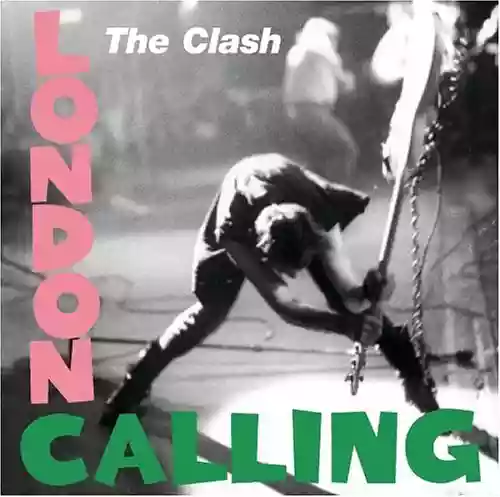
"Spanish Bombs", as the title suggests, takes you into the atmosphere of the Spanish civil war with a chorus (partly in Spanish) that gets inside you. The rock of "I'm not down", the reggae of "Revolution Rock", "The Guns of Brixton", and that little gem initially discarded by Joe Strummer and company titled "Train in vain" are the other most exhilarating episodes of an album that doesn't present any weak moments, not a single instant where we are given a pause: a war won against fillers. Punk, Old School Rock (incidentally, the historic cover is an homage to an old Elvis album), Ska, Reggae, and some Jazz brushstrokes ("Jimmy Jazz") all condensed into 65 minutes, without ever losing the album's delicate balance.
With "London Calling", The Clash reach the pinnacle of their exceptional career and it is amazing to think that within a few months, Joe, Mick, Topper, and Paul would be back in the studio to release a work of the caliber of "Sandinista", an ambitious project in which they would push musical experimentation further, while creating yet another masterpiece. Few other bands in history can boast of having had such a happy moment of creativity and inspiration, and it is easy to overlook the fact that after "Sandinista", the inevitable decline of The Clash would begin, torn by the internal conflict between Jones and Strummer.
The most worthy successors of the other golden pair of rock: Lennon-McCartney. And the comparison stands.
Loading comments slowly
Summary by Bot
The Clash's London Calling is widely regarded as a rock masterpiece that surpasses punk boundaries with its blend of styles, from ska to reggae to rock. The album balances innovation and raw energy throughout its 65-minute runtime with no weak moments. Classic tracks like the title song, Spanish Bombs, and Train in Vain highlight its enduring appeal. It represents the band's creative peak before their decline, solidifying their legacy as one of the greatest rock acts.Tracklist Lyrics Videos
The Clash
English punk rock band formed in London in 1976. Core lineup included Joe Strummer, Mick Jones, Paul Simonon and Topper Headon. Influential for blending punk with reggae, rockabilly, funk and early rap; disbanded mid-1980s.35 Reviews
Other reviews
By bibiane
In "London Calling," the crucial spirit of punk (anger, chaos, and revolution) is embodied, but also a lot of experimentation.
Every single song on this album is a little gem in its own right, worthy of being on the album and different from the others in style and rhythm.
By joe strummer
At the time, it was a cutting-edge album; and it remains a very current album today.
Rock n’ Roll passes through London Calling. And comes out transformed.
By John
"If you ever get the chance to listen to 'London Calling,' remember that you are about to listen to a work that will hardly have a successor."
"Those who found this album will be very fortunate, not bad for an album that when released made fans call the Clash 'traitors' for abandoning classic Punk."
By SOLOperADULTI
"London Calling is no longer a punk album, the Clash want to prove they can play EVERY TYPE of music."
"Yeah, it’s really punk, this record!"
By TraumaCronico
Since my wife left me, I don’t sleep. At first, I didn’t sleep because of my constant grins in the night, deep night. Now, I don’t sleep because I see... Red.
Sorry but I can’t listen to this record just because of the cover!!!!!!!!!!!!!!
