
 •
Rating:
•
Rating:
THE REVIEW
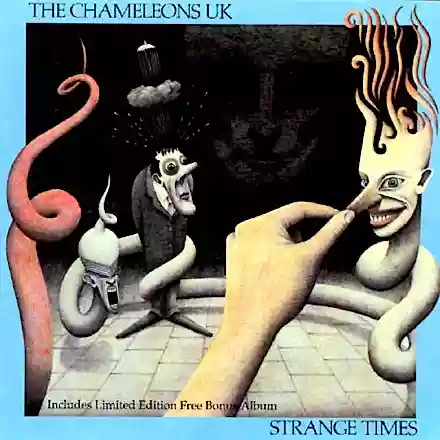
Third album for the group led by Mark Burgess and the third and last album of the trilogy that made the Chameleons famous, the most authentic and '80s.
They started as a subdued and dreamy version of their fellow citizens Joy Division, and in 1983 they debuted with the groundbreaking "Script of The Bridge". A dark and melancholic album, filled with reverberating guitars and ethereal atmospheres that would give rise, a few years later, to the era of "dream pop" so dear to groups like Lowlife, For Against, and Cranes.
Intimate friends of The Sound, the band of the unfortunate Adrian Borland, and with more than one sonic element in common, the Chameleons were preparing to produce in 1985 the album "What Does Anything Mean? Basically". Certainly no longer indebted to darkwave and close to what was being produced, at least at the time, by bands like U2 and The Smiths.
But how will the third creation of such a band sound? Forget the past and immerse yourself in the listening experience of a work that slowly abandons the classic stylistics of new wave to arrive at a thoughtful and sometimes symphonic pop-rock. It's not progressive, but it's close.
Give a listen to tracks like "Tears", "Swamp Thing", or "Paradise". Pay attention to the sound structure and the duration of the songs in question. Okay, it might not be Pink Floyd nor even Marillion, but there's an evident evolution towards a more complex song format and closer to Art Rock.
Don't despair! The slight melancholy that has always accompanied the Chameleons is alive and well even in this third release of theirs. However, never quite like in the debut and not even as in "What Does Anything Mean? Basically".
A "mature" album, an album written by musicians who seem to have surpassed the fascination for a certain genre and an album, this is certain, that will be appreciated without many problems by the more intelligent listeners.
After "Strange Times" the defeat, and in the early years of the new millennium, the rebirth. But that's a whole different story.
Loading comments slowly
Summary by Bot
The review discusses The Chameleons' third album, Strange Times, highlighting its evolution from post-punk and new wave roots toward a more complex and thoughtful pop-rock sound. While it retains melancholic elements, the album demonstrates maturity and artistic growth. The reviewer recommends key tracks that showcase this shift and praises the album’s appeal to intelligent listeners.Tracklist Lyrics Videos
The Chameleons
The Chameleons are an English post-punk band formed in 1981 in Middleton, Greater Manchester. Known for atmospheric guitars and anthemic melancholy, they released influential albums in the 1980s and later reunited for new activity.03 Reviews
