
 •
Rating:
•
Rating:
THE REVIEW
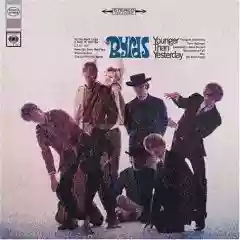
This album is an icon, a sonic guide of myths and splendors of the fabulous sixties, so enchanting that it barely avoids the rhetoric of "those were the fabulous years." If "Fifth Dimension" marks the entrance of psychedelia into rock, and "Sweetheart of the Rodeo" is conventionally credited with the parentage of country-rock (thanks to the genius of Gram Parsons), "Younger Than Yesterday" is also the most complete work by the Byrds. Wittingly defined by Lester Bangs as the "Revolver of American pop-rock," this work best synthesizes the band's multifaceted nuances, while serving as a fundamental archetype for entire successive rock generations (from R.E.M. to Pavement passing through the Smiths).
As with previous works, the group's focal point remains Roger McGuinn's Rickenbacker 12-string. Magnificent jingle-jangle frolics indeed envelop all the tracks of "Younger Than Yesterday," starting with the irresistible melody of "So You Want to Be a Rock and Roll Star": the definitive Byrds song, an ironic denunciation ante litteram of all the great "rock and roll swindles," a classic folk number that sublimates into a glittering Californian prism thanks also to Hugh Masekela's trumpet solo. Equally perfect is the following "Have You Seen Her Face", a gem by Chris Hillman and definitive metabolization of the Mersey Sound into the Byrdsian alchemy (the Fab Four had already returned the favor on "Revolver," where Harrison in "She Said She Said" soared in sweet jingle-jangle empyreans).
But the Byrds' diamond has many facets: precursors of country rock (the Dylanesque "My Back Pages", the punchy "Time Between" and the languid "The Girl with No Name"), sharp rock and roll surges ("Why"), shimmering psychedelic rides (the majestic "CTA-102", which starts off simply and pop only to derail into disorienting space-rock realms), and the mother of Californian flower power ballads starring David Crosby ("Renaissance Fair", with the typically west coast vocal interplay of Crosby, Hillman, and McGuinn).
Good old David also writes two other tracks that define the extremes of "Younger Than Yesterday". First, the poignant "Everybody’s Been Burned", where astonishing jazz noir nuances interlace the usual folk rock frame, with McGuinn's guitar parts drawing fabulous Indian trajectories, perfectly integrated with Hillman's effective bass lines. Crosby's magical singing transports into the Californian lysergic limbo, proclaiming "Everybody knows and me/I know that door that shuts just before/You get to the dream you see". Not equally memorable is the sitar mantra of "Mind Gardens", an ambitious yet truly onanistic and boring episode: this slightly undermines the intrinsic value of the album, worthy of 4 and a half stars. A notch below contemporary masterpieces like Love's "Forever Changes" and Buffalo Springfield's "Again," but indisputably excellent, and whose commercial failure at the time has been amply redeemed by its influence on posterity.
The purchase of the CD reissue is highly recommended, enriched by alternate takes and the Crosby single "Lady Friend": just a hair less memorable than the companion Stills’s "Rock and Roll Woman" in the "Classic Flower Power" section.
Loading comments slowly
Summary by Bot
Younger Than Yesterday is a seminal album by The Byrds, combining psychedelia, folk, and country rock into a complete, influential work. Roger McGuinn's 12-string guitar jangles throughout, while standout tracks like "So You Want to Be a Rock and Roll Star" and "Have You Seen Her Face" exemplify the band's melodic prowess. David Crosby's songwriting adds depth with psychedelic and jazz noir touches. Though slightly marred by the less engaging "Mind Gardens," the album remains essential and highly recommended for its historical and musical impact.Tracklist Lyrics Videos
The Byrds
The Byrds were an American band formed in Los Angeles in 1964, widely credited with shaping folk rock via Roger McGuinn’s 12-string Rickenbacker sound and electric interpretations of Bob Dylan. Their catalog is frequently discussed as moving from early folk-rock hits into psychedelia and later country-rock, notably on “Sweetheart of the Rodeo” with Gram Parsons.15 Reviews
