
 •
Rating:
•
Rating:
THE REVIEW
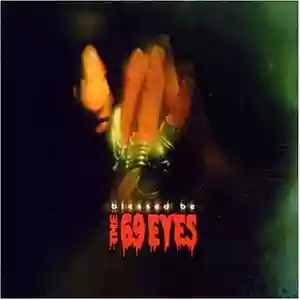
Released in the autumn of 2000, this is the work that best represents the career of the Helsinki combo, a perfectly successful sum of the band's past glam-rock with the "damned" attitude of the previous "Wasting the Dawn".
A work of change, especially on a vocal level, where Jyrki embraces very deep and dark tones, while the contribution of the ivories becomes a key element in the sound of our band. Languid and velvety atmospheres constantly follow one another throughout the work, aided by an elegant mixing, skillful in filtering our band's rock vein into a dark-romantic funnel that is easy to grasp.
A peculiar feature of "Blessed Be" is embodied by the presence of "hit songs" in abundance, fast and never boring tracks endowed with perfectly fitting harmonious choruses that imprint themselves on the mind with great speed. Despite this, the intimate aspect is not overlooked thanks to refined arrangements vaguely "gothic" that give the album in question a shadowy aura laden with nostalgic sadness.
The opening of "Framed in Blood" immediately suggests a fresh and rhythmically energetic style, balancing between the Bazie/Timo-Timo grove'n'roll guitaring and Jyrki's warm timbre, all wisely filled with tearful keys.
The succeeding "Gothic Girl" and "The Chair" maintain a high emotional "pace", an intelligent intertwining of refrains with dark-rock ambitions revised in a version bordering on the radio-friendly, certainly skillful in echoing sounds close to the British gothic-pop tradition.
"Velvet Touch" reveals the darker side of the Finnish band, slow and gloomy, woven with keyboard bridges of sure effect while the vocal "narration" descends into the deepest baritones possible (Type o'Negative).
Highlighted are also the tender ballad "Stolen Season", sweet amid electro-dark loops and graceful vocals, and the piercing energy of "Angel on my Shoulder", in which the 69 Eyes emphasize the more pronounced "heavy" aspect of their sound.
The finale settles on sustained rhythms, unleashing the aggressive spirit belonging to the quintet's past and leaves one quite bewildered, in stark contrast to the delicacy of the first part. Among the remaining three tracks, "Wages of Sin" stands out, dominated by venomous riffs, imperious drumming, maddened solos, and the "dirtiness" of the singing. Excellent and surprising.
In conclusion, the album in question represents the link between the group's past and present and, in my view, the most talented side of Jussi and company, capable of maintaining a "metal" credibility which was then irreparably lost in subsequent platters. Rough and velvety.
Loading comments slowly
Summary by Bot
Blessed Be marks a pivotal album by The 69 Eyes, combining their glam rock roots with darker, gothic influences. Jyrki's deep baritone vocals and elegant keyboard work create a velvety yet heavy atmosphere. The album delivers numerous catchy and emotionally rich tracks, balancing radio-friendly melodies with gothic depth. The work reflects the band's peak talent and metal credibility, bridging their past and future sound.Tracklist Lyrics Videos
The 69 Eyes
Finnish rock band formed in Helsinki, known for a gothic-rock / goth'n'roll sound that blends glam-rock influences with dark-romantic themes.02 Reviews
