
 •
Rating:
•
Rating: THE REVIEW
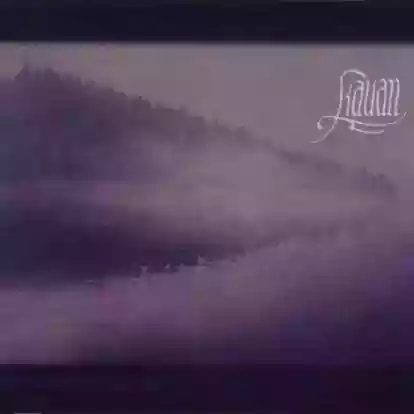
The soft slumber of autumn nature. In marshy lands, with mystical outlines, among woods of old alders inhabited by night creatures that sadly sigh nostalgic lullabies. Acoustic warmth, deep voices, shy keyboards like frightened butterflies, talented enveloping percussion. And yet the Ugro-Finnic language, lilting, harsh and gentle at the same time, narrates delicately dreamy lyrics. A single choir that celebrates in unison the arrival of the longest and most painful hibernation.
"Kauan" comes from a county, Lappi, wildly anchored to six months of a relentless winter, with icy howling breezes, the "black" death of a night without end. The quartet from Kemi, debuting after the precious demo "Hallavedet", reveals surprising maturity, an overwhelming ability to unite ethnic folk elements with suffocating dark patterns, culminating in the tempestuous turns typical of certain classical music of Finnish memory (Sibelius). The band's sound exalts the mystic warmth of the hearth, the ancestral call to the allure of impenetrable forests, a gentle dive into a longed-for past, perhaps lost forever. Sensations of desolate pain whirl in the opening ballad "Näkin laula", a rain of classical guitars slowly entwined with "discouraged" percussion, while the singer/narrator's sigh drags us into a gallery of sweet melancholies. "Huomen" explodes folky, the initial acoustic breath beguiles tenderly and then yields to moving and epic keys. The surprise comes from a seductive chorus that elevates melodies gracefully like soft silk embroidery. The dark aspect in our proposal sinuously ventures into the subsequent "Revontulet" and "Hallavedet" where cellos with tormented harmonies appear, and the vocals become deep and gloomy. Once again, the sonic carpet created by the guitar work amazes with effectiveness and atmospheric elegance. With "Lauluni sinulle" the Finnish band tempers the darker side by navigating a folk piece with fast rhythms combined with the acoustic freshness of the six-string, all surrounded by inspired singing that releases a high-class refrain. The immediacy of this track introduces a dark and gloomy finale where liturgical pianos duet with an alienating cello completely lost in inconsolable suffering. I refer to the closing symphonies "Taival" and "Souto", twinned by unending sorrows, monotonous and suffocating in their slow pace, a kind of acoustic "doom." Flashes of classical music hypnotize us, transporting us to the realm of fog at the foot of Pohjola's castle (from the national epic Kalevala), the musical soul of the classical composer J. Sibelius slowly insinuates itself into the group's notes and the national-romantic component reaches its emotional peak. The work closes in silence, heralding the long, dreamless sleep of a winter with glacial caresses.
A sigh that crystallizes the heart and thoughts. And also the tears.
Loading comments slowly
Summary by Bot
Tenhi's debut album Kauan is a mature and atmospheric fusion of ethnic Finnish folk and dark, classical influences. The band's melancholic and mystical soundscapes evoke the cold, longing winter of Lappi. The acoustic instrumentation, deep vocals, and haunting melodies create an emotionally powerful experience reminiscent of Sibelius’ national-romantic legacy. Kauan closes with slow, doom-like symphonies that leave a lasting impression of icy beauty and profound sorrow.
Tenhi
Tenhi is a Finnish neofolk ensemble from Kemi (Finnish Lapland), active since 1996. They perform in Finnish and weave acoustic guitars, piano, strings and ambient touches into nature-evoking songs across albums such as Kauan, Väre, Maaäet, Airut:Aamujen and Saivo.06 Reviews
