
 •
Rating:
•
Rating:
THE REVIEW
Some believing in it, some with not so noble intentions - many artists and groups found themselves, around the mid-1980s, sucked into the ambiguous (but not entirely reprehensible) cauldron of musical benevolence. It was a time when various humanitarian projects started popping up like mushrooms in the forest humidity, leaving a mark on the artistic landscape of the period, whether the "paying" audience wanted it or not. With the proliferation of these all-star reunions devoted to lending their precious voices to peacefully sugary melodies like Geldof's "Do They Know It's Christmas" or its American response ("We Are The World," by Michael Jackson) - inevitably, irreverent criticisms and mockeries would also multiply from fellow artists inclined to see the cause as a mere marketing strategy; "Charity Begins At Home," was more or less the unofficial slogan of those who did not refrain from denigrating or belittling the heterogeneous group of new rock saints. But the show, as we know, is still a show. Thus, besides the more seasoned names like the aforementioned Jackson - recently and definitively entered into history books - or the much-loved (but later, and precisely because of these initiatives, also reviled) Sting - even the fledgling performers who recently erupted onto the scene would not lack the opportunity to step onto such a prominent stage to make their voice heard. And indeed, some melodies from these young talents would unwittingly and not always deservedly become small manifestos of the entire operation.
This is precisely the case with the Tears For Fears of "Everybody Wants To Rule The World," the great 1985 hit and the flagship of the multi-millionaire second album by the duo, "Songs From The Big Chair." They had little to do, in reality, with all the aforementioned dramatics, shining - the single for its freshness and melodic perfection, the album for its originality and great emotional impact (listen to "The Working Hour," "I Believe," or "Listen" to believe it) - both with their own light. Amidst such a mass media uproar, the name of those who could truly claim a genuine melodic message began to emerge, a cause that not only did not bow art to the demands of the show but, on the contrary, used the latter as a pass for recognition untainted by the slightest compromise. And indeed - while the excellent debut of "The Hurting" (already a cult in its time, thanks to the singles "Change," "Mad World," and "Pale Shelter") and the irresistible success of the above 'must' (in which, in my opinion, the tormented pop of "Head Over Heels" stands out greatly) remain intact - the four years of absolute silence before the release of "The Seeds Of Love" (1989) could do nothing against the terrifying completeness of this album.
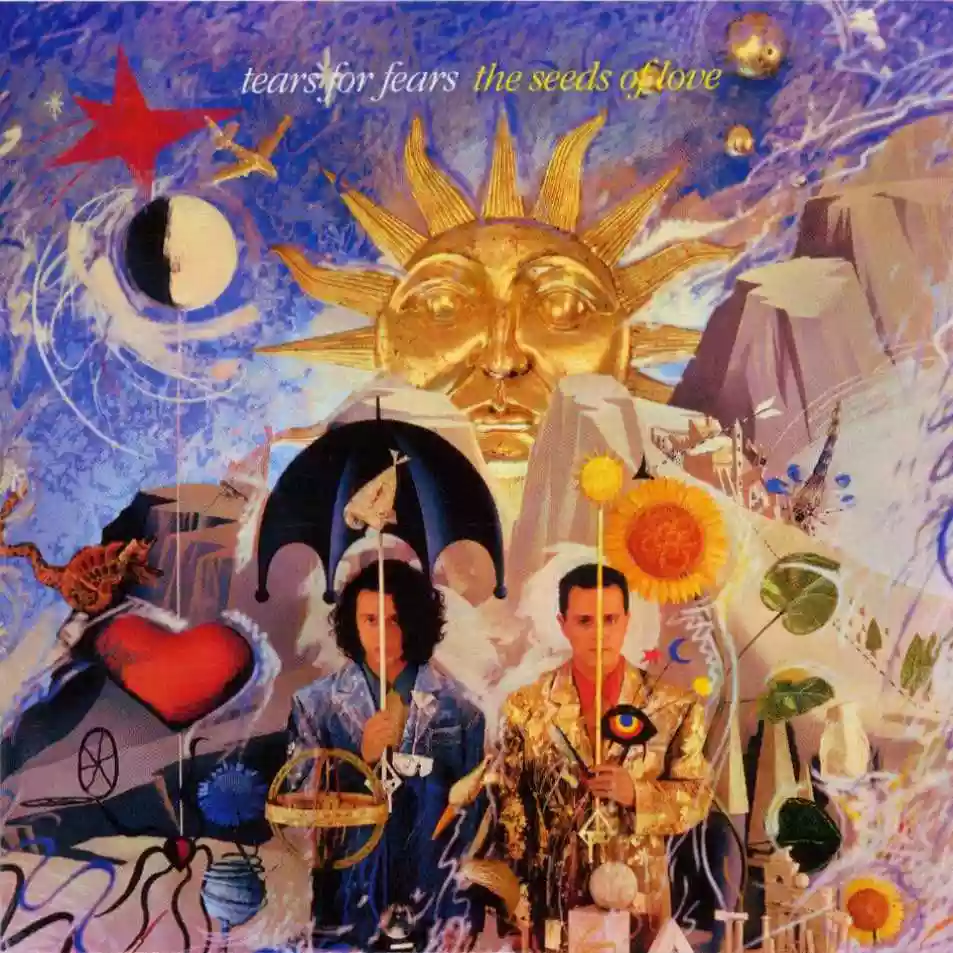
The now multi-award-winning Orzabal-Smith brand would once again sweep the box office, astounding both the public and critics in one fell swoop - the former shocked by the explosive force of the lead single ("Sowing The Seeds Of Love": the most irreverent and psychedelic Beatles having breakfast with the best blues tradition), the latter by discovering behind the synthetic face of the band the extraordinary insights of fully rounded composers. All this with the help of special collaborators and musicians described as nothing less than four-leaf clovers and absolutely irreplaceable: thus, while the unforgettable melodic opening of "Woman In Chains" is entrusted to the savvy drumming of the most syncopated Phil Collins - a pop jewel capable of ennobling the entire history of easy listening - there is little human about the amazing high notes of Oleta Adams' voice - a black pearl discovered and invited by the group to enhance the album's choirs and to shine in the unrepeatable 8 minutes à la Little Feat of "Badman's Song" (on an episode experienced by Orzabal before a concert). Flashes of searing yet soothing fusion ("Standing On The Corner Of The Third World": reminiscences of Live Aid?) introduce the second part of the album, a suite which also features the six beautifully lyrical minutes of "Swords And Knives" - with lyrics heavily tinged with "drama" and a progressively more electrified melodic cadence - and the pseudo-live and very Prince-scented ride of "Year Of The Knife" (interspersed with proto trip-hop inserts added in the studio), closing with the resigned and melancholic lullaby "Famous Last Words," the last of the four singles, tinged with orchestral ambitions. Little to add on "Advice For The Young At Heart": I doubt it can fail to be one of the most blazing, exciting, inspired pop song essays of the last twenty years, with exhausting lyrics and melting melody, the most complete and exemplary page of a mature and unbreakable album.
Loading comments slowly
Summary by Bot
The review praises Tears For Fears’ 1989 album The Seeds Of Love as a brilliant and mature work that transcends typical 80s pop. Featuring notable collaborations with Phil Collins and Oleta Adams, the album combines psychedelic, blues, and fusion influences with emotionally rich lyrics and sophisticated compositions. Standout tracks like 'Sowing The Seeds Of Love,' 'Woman In Chains,' and 'Advice For The Young At Heart' showcase the duo's artistic growth and enduring appeal.Tracklist Lyrics Videos
Tears for Fears
Tears for Fears are an English pop rock/new wave duo best known for their polished ’80s hits and albums, centered on Roland Orzabal and Curt Smith. Their best-known era spans The Hurting (1983), Songs From the Big Chair (1985) and The Seeds of Love (1989), followed by periods of separation, later reunion work, and a late-career comeback with The Tipping Point (2022).11 Reviews
