
 •
Rating:
•
Rating:
THE REVIEW
NAKED IN THE FOREST.
"David Byrne has an asylum look, but he doesn't emit a sense of danger: he just seems like a jolly madcap sent home from the psychiatric ward with a bag of Thorazine." (Lester Bangs)
Uncle Lester sketched the psycho-physical contours of Master David Byrne with affectionate and benign wit, and he really knew about musical asylums: a sort of Franco Basaglia of rock novelists. It was the dawn of the Talking Heads' Copernican revolution. With the mood-driven and tachycardic decade of the Seventies closed, a bridge of conceptual stylistic melting-pot ideally embraced the ancestral rhythm of Mother Africa and the convulsive paranoia of the modern West. A brief chronological recap, with the four Talking Heads opening astonishingly new and ancient sounds in a vast horizon, previously unknown and distant; from the 77 debut that mocked new-wave and oblique notes to the protean triptych with Mr. Eno in the director's chair, of which Remain In Light would be the epochal and infinite Everest. Finally, the dadaist and crazed singing of the plastic manikin Byrne on metropolitan neurosis lyrics, further shuffling the deck with the help of comrades Harrison, Weymouth, and Frantz. Practically they anticipated the sonic hybrid, the impossible intersection that united tradition and avant-garde, tribalism and intellectual fervor. Practically, they forged the ethno-world of the Eighties. Seminal? By all means! If we want to associate the magic word in the right context, distant from spermatozoa and Ron Jeremy, few others were so striking and pioneering. After some works that brought the New York heads closer to communication-friendly pop-rock without too many frills (Little Creatures the emblem), 1988 arrived, another turning point to close a decade. And here comes another stroke of genius, piper David and the comrades from the esteemed workshop decide to relocate to France, in Paris, under the supervision of the discreet Steve Lillywhite, African musicians, drums, funk brass, and Johnny Marr's guitar as a precious ally in four tracks.
Naked remains the best possible epitaph and farewell to the extraordinary TH adventure. Orphaned of the demigod Brian for a while, the expanding ego of bandleader Byrne and the grouchy arguments over sound copyright would mark the beginning of the end. But our heroes still have resources for the final exit, dodging the ethnic-rock wave of some years back in a spiced-up pop, feeding on its opposites in the whirlwind of wandering in a hundred different directions, never losing its way. The epilogue of Naked is a continuous flow of hope and tension, the "globalized" (positive) urgency to intersect different languages and cultures. Among calypso moves and the Louisianan ardor of Mommy, Daddy, You And I, the James Brown finely wrought in suit and tie of the sly Blind (fantastic video directed by Rocky Morton and Annabel Jankel) or the multi-colored Central America of trumpets, winds, and congas that pervade Mr. Jones. A journey full of exclamation points, where the sinister, elusive electronics of The Facts Of Life meet innocent jingle-jangle guitars and a sinuous bass (Nothing But Flowers). Like the confluence of the Marañón and Ucayali (two rivers in the central Andean region) originates the Amazon River and its 7040 km, the skeletal blues of the forefathers in Ruby Dear is annulled sucked into the deep waters of the restless Cool Water. Stop, and end credits.
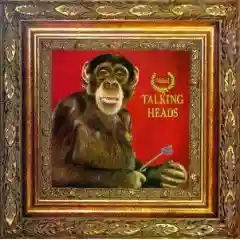
An eclectic tropicalism, evoking the Amazonian climate always warm and always humid, with intense cloudiness and abundant rains distributed evenly throughout the year. You might feel lost and finally naked, with the pronounced climbing ability of the arboreal animals. Because the distinguished monkey that watches us from the cover of Naked teaches: only those who stubbornly dare evolve and return pacified to nature. We are all free (and naked) in the forest.
Loading comments slowly
Summary by Bot
Talking Heads’ 1988 album Naked stands as a creative and eclectic tribute to their musical journey, blending African rhythms with pop and funk. The album embraces global sounds and diverse cultural influences, under the production of Steve Lillywhite and contributions from Johnny Marr. It is considered a fitting farewell to the band’s innovative career and highlights their pioneering role in 80s ethno-world music. The review praises its rich, layered soundscape and artistic vision, emphasizing Naked as their most significant final statement.
Talking Heads
Talking Heads were an American band formed in the mid-1970s, known for combining new wave with funk, art-rock experimentation, and sharply observed themes of modern life.19 Reviews
