
 •
Rating:
•
Rating:
THE REVIEW
Redemption.
This was what Stratovarius needed for many years, something that could succeed in artistically rebirthing them, as well as reestablishing those human relationships that had greatly damaged the group over the last fifteen years. But could a band like the Finnish one, naturally resistant to change in their musical genre, manage to find a solution?
The key to moving forward, regretfully saying, was Timo Tolkki himself. Creator of true Power Metal pillars such as "Episode," "Visions," and "Fourth Dimension," Tolkki cannot be defined as a musician who passed by chance, but from what has transpired over recent years, his excessive desire to change, his tendency to mix his personal problems into the compositions, and the devastating depression that hit him in 2004 following a stabbing during a concert did not improve the situation.
In addition to all this, the last releases by Stratovarius between 2000 and 2005 represented, if that wasn't enough, the straw that broke the camel's back. The band disbanded shortly after the tour for "Elements: Pt. II" and was reformed at the start of 2005 with the release of the self-titled "Stratovarius," yielding results worse than anticipated. Too much meaningless experimentation, a band now revolving solely around Timo Tolkki's egocentrism, who repeatedly referred to the group in interviews not as a collective of musicians, but as a product to regain popularity.
In 2008, Tolkki voluntarily left Stratovarius, relinquishing the group's name to his now former bandmates without much fanfare, and withdrew into various solo projects which no longer saw the brilliance of the genius that in the 90s gave birth to true masterpieces, but just a shadow locked in his self-conviction of superiority. Stratovarius in June of the same year decided to continue, with singer Timo Kotipelto and keyboardist Jens Joahnsson remaining as original members, without Tolkki’s involvement. Proceeding without the one who brought the changes that made the group known, without that person who was behind every Stratovarius piece, but who had at the same time become too unstable. A right or foolish choice? Initially, I would have opted for the latter, but over the years, Kotipelto and associates have been proven right, but let's take it in order.
After the release of "Polaris" in 2009, and "Elysium" in 2011, followed by a live DVD the year after, Stratovarius had regained after many efforts their traditional sound, but if the two albums mentioned served mostly as a pleasant return, the next one was meant to confirm the band's state, and in 2013 with the release of "Nemesis" they succeeded fully. An album that sounded fresh in inspiration and rediscovered creative ability, which seemed almost lost since the times of "Infinite."
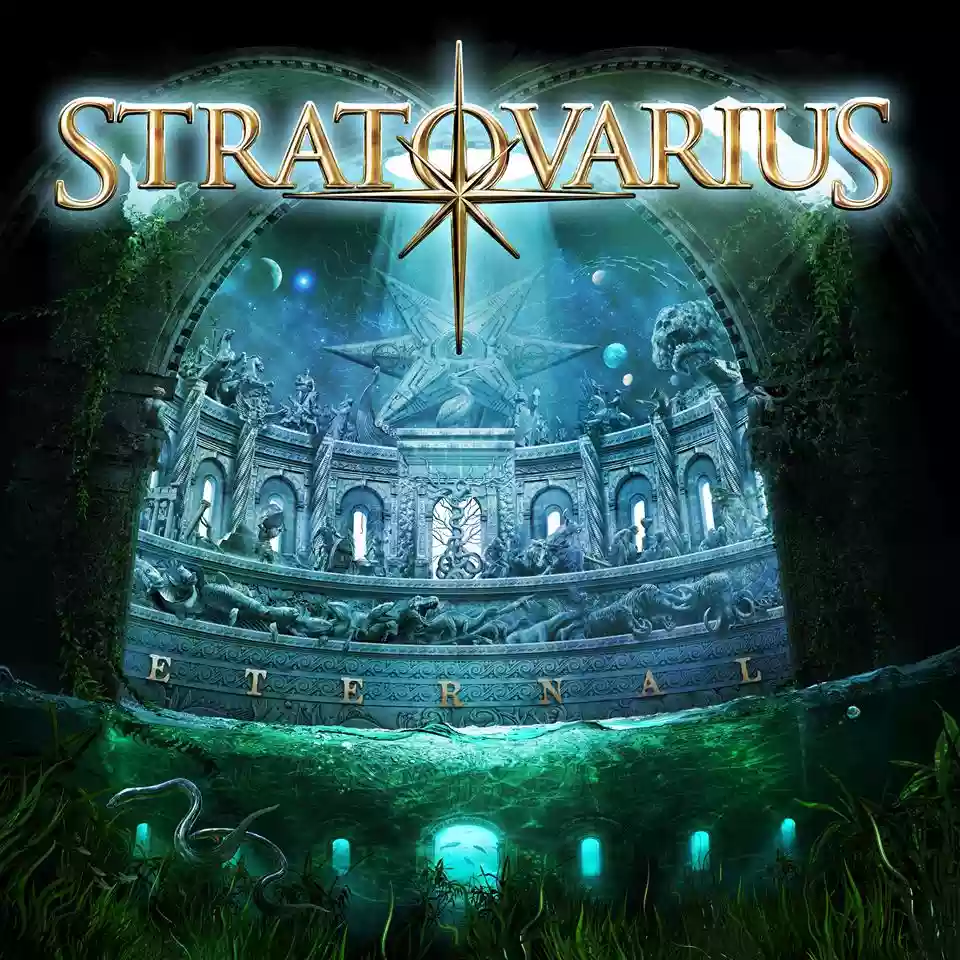
In 2015, "Eternal" was released, an album tasked with continuing to offer the same quality level as its predecessor, which is no small feat. Although the album does not approach the standards of "Nemesis," it still manages to be more than appreciated, generally due to various choices. One is Kotipelto’s decision to sing in lower pitches, giving each piece a different atmosphere, without excessively straining and risking sounding flat, as on past pieces like "Find Your Own Voice." The second was the initial desire not to release another Power Metal-style album but to experiment, an approach that was quickly set aside but, as testified by Joahnsson, might be revisited in a future release.
"Eternal" nonetheless manages to make an excellent impression, thanks to tracks in full Stratovarius style, like "My Eternal Dream," in which the keyboards for the first time do not play a main role, overshadowing the guitars and other instruments, but instead create a great backdrop, or "In My Line Of Work," where Kotipelto’s choice for vocals fits perfectly, as written above. Mediocre and largely predictable the two semi-ballads, both written by Joahnsson, "Man In The Mirror" and "Fire In Your Eyes," with the latter that would be acceptable for a beginner group, but from a group like Stratovarius it is nothing more than the usual reheated soup. "Few Are Those" works more than well, with one of the best riffs of the album and showcasing the nearly perfect mixing that was done for the drums, and a similar discourse can be applied to "Shine In The Dark," more oriented towards mid-tempo in the first parts, but overall results more than good. "The Lost Saga" is one of the long-minute pieces, in this case, 11 minutes, which Stratovarius has always included in their albums, and this one does not stray much from its predecessors, very evocative in the first part thanks to a beautiful keyboard work by Jens and a chilling middle part.
If you have never liked Stratovarius, you won’t change your mind listening to this "Eternal," and indeed, you might become more convinced than ever that you’ll never need to listen to them. For those who do not disdain this type of sound, they might find themselves before an album played in a more than excellent manner, capable of reviving for almost an hour of listening the good times that were for this band, with a glance to the past but avoiding getting bogged down in nostalgia.
And perhaps this is precisely the greatest merit of the current Stratovarius, having had the courage to change and move forward, with a slow but gradual musical ascent, without a burden to oppress them. Great work.
Loading comments slowly
Summary by Bot
Stratovarius's album 'Eternal' marks a strong continuation of their regained traditional power metal style following key lineup changes. The band successfully balances nostalgia with fresh vocal approaches and solid musicianship. While not surpassing their best past work, the album delivers enjoyable and memorable tracks that reinforce their place in the genre. Experimentation was briefly considered but set aside, contributing to the album's cohesive sound. Overall, 'Eternal' represents a commendable effort from a band overcoming past difficulties.Tracklist Lyrics
02 Shine in the Dark (05:05)
04 My Eternal Dream (06:04)
05 Unbreakable (00:00)
06 Under Flaming Skies (00:00)
07 Man in the Mirror (04:43)
09 Intro (00:00)
10 Feeding the Fire (04:12)
11 In My Line of Work (04:19)
13 Fire in Your Eyes (04:15)
14 The Lost Saga (11:39)
15 Halcyon Days (00:00)
16 Rise Above It (04:26)
17 Few Are Those (04:11)
18 Keyboard Solo (00:00)
19 Lost Without a Trace (05:28)
Stratovarius
Stratovarius is a Finnish heavy/power metal band, widely associated with the development of European power metal and known for prominent guitar–keyboard interplay and melodic, high-register vocals.22 Reviews
