
 •
Rating:
•
Rating:
THE REVIEW
The ever-growing modern 'rock appeal' has accustomed us to churn out chart-topping phenomena that, from the outset, enjoy hefty contracts with major labels, high-quality recording studios, and connections with the best producers in circulation, especially in the United States. During the '90s, young Aaron Lewis, of Jewish origin, grew up in Massachusetts, where he lived the life of a typical hardworking American, playing in bars and working in hotels.
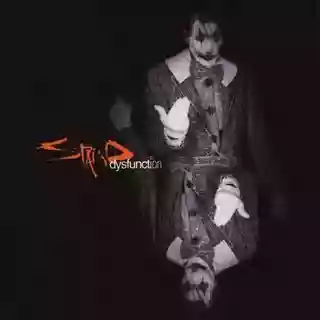
In 1995, he became the founder and voice of Staind, and after a debut album that left no mark either in the American charts or in the band's career ("Tormented"), thanks to a disagreement with an icon of Nu Metal (the soft kind), Fred Durst, he got the opportunity of a lifetime. Lewis's band, after opening for Limp Bizkit in 1997, had a dispute with Durst himself, who, soon after, impressed by the flair shown by our guys during the performance, got them signed to a respectable label, Flip Records. In 1999, they released "Dysfunction", perhaps their first 'real' album.
From the start, the pronounced melancholic-angry streak is evident, both in the lyrics and in the distorted guitars of pieces like "Suffocate" and "Me". The reality of a not-so-happily lived life ("I lost myself inside your tainted smile again" in "Mudshovel") clashes with self-harm, I would dare say 'Nihilism' of tracks like "Raw" ("Inside I'm so cold" Lewis repeats ad nauseam). The constant gray atmosphere drags, almost cradling the listener, towards respectable tracks that don't lack personality despite lacking in ardor.
Beyond all this, the band also shows skillful melodic composition, the most radio-friendly track of the album is undoubtedly "Home", a good track that flows easily accompanied by a not-so-optimistic video. A special mention is deserved by the aforementioned "Mudshovel", which I personally consider the driving piece of the album for melody and engagement. The message of Dysfunction is one and unequivocal, disappointment with everything surrounding the external world of the complex leader A. Lewis (who, in the meantime, leaves the hotels and bars of Atlanta in favor of ever-larger audiences).
Driven by singles like "Home" and indeed "Mudshovel", "Dysfunction" sold over two million copies, catapulting the band to international success, a success that increased with the band's subsequent work, the multiple-platinum "Break The Cycle", the pinnacle of their career. However, the band would leave the tortuous paths of their beginnings over the years to dedicate themselves to the more comfortable pop/rock characterizing the last "The Illusion Of Progress".
There's nothing to be done, whether one wants it or not, sooner or later the 'rock appeal' sweeps everyone away.
Album rating: 7.5
Loading comments slowly
Summary by Bot
Staind's 1999 album Dysfunction marks their first significant breakthrough in the nu metal scene, defined by melancholic and angry tones. The album blends raw emotion with melodic craftsmanship, especially in standout tracks like "Mudshovel" and "Home." Despite a grey, nihilistic atmosphere, the album propelled the band to international recognition. Dysfunction set the stage for their later success with albums like Break The Cycle. A solid, heartfelt work that captures the angst of its era.Tracklist Lyrics Videos
Staind
Staind is an American rock band from Springfield, Massachusetts, formed in 1995. Reviews emphasize their early-2000s breakthrough with “Dysfunction” and especially “Break the Cycle,” their association with Fred Durst/Flip Records, and lyrics focused on dark personal themes; later albums are often judged against that peak, with notable comeback claims for the 2011 self-titled and 2023 “Confessions Of The Fallen.”12 Reviews
