
 •
Rating:
•
Rating:
THE REVIEW
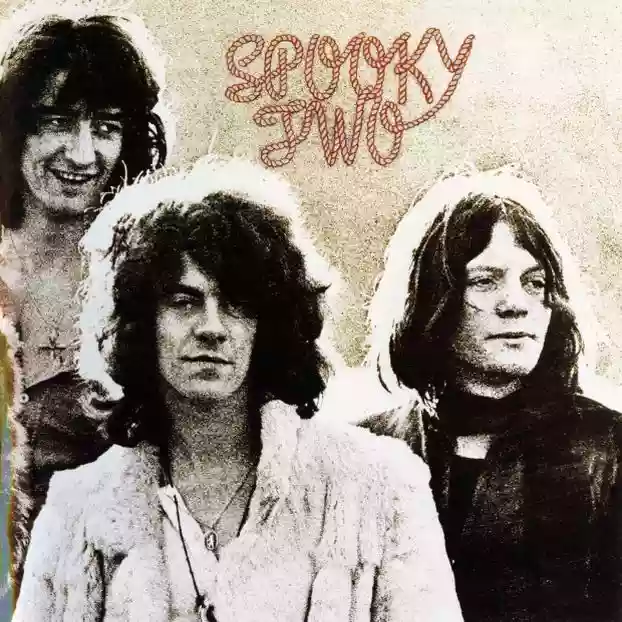
We are at the end of the sixties. Precisely in 1969. An era when there was a great hunger for culture, an explosion of creativity, a palpable tension that spread across all social strata. People believed they could change the world. Even though deep down every generation believes it can and in reality the world is always changing. But that's not the point. The point is that no change was ever as free, frantic, and shared as it was then. This is evidenced by what has remained over the years, how much we are still anchored to that period, and especially how many artists from that time have left their indelible mark on history. And yet, there existed a thriving undergrowth, probably equally imaginative and influential, that unfortunately has not stood the test of time. Sometimes even unsung heroes leave deep marks, and this is the case with Spooky Tooth, a band belonging to the English underground, creators of hard-tinted rock that draws a bit from soul and a bit from blues, without neglecting some hints of psychedelia. A heterogeneous music then, even if not bold enough to fall into the progressive genre, dominated by the dual keyboards of Mike Harrison and Gary Wright, particularly by Wright's often aggressive Hammond. The two also share the gritty vocal parts, played on the contrast between Wright's high voice and falsettos and Harrison's deeper soul timbre. The other instrumentalists are by no means mere side players, nor are they inexperienced: bassist Greg Ridley would later play with Humble Pie, while guitarist Luther Grosvenor would join Mott the Hoople. Both do not hide and indeed contribute to the group's compositional creativity with their sharp lines and riffs, though less prominently than their companions. “Spooky Two”, as the title itself suggests, is the band's second work and is undoubtedly the artistic pinnacle of their career. The quality of the songs elevates the music beyond performance or production flaws, instead making its genuine and passionate side even more appreciated. Every single track manages to stand out, often resulting in being "catchy" but without ever falling into the banal. Among these, “Better By You, Better Than Me” is certainly the most captivating and probably one of the hardest on the album, later covered by Judas Priest. “Feelin' Bad” is another highlight, reminiscent of early Traffic, particularly due to the standout rhythm section and the well-conceived almost gospel-like chorus. Finally worth mentioning are the two most peculiar songs of the lot. The lengthy “Evil Woman,” with its cadenced and hypnotic rhythm, might recall Black Sabbath (not just in the title), with the small difference being that instead of Ozzy's grating voice, there's Wright's piercing falsetto. “Lost In My Dream” moves instead into psychedelic territories and atmospheres more akin to Jefferson Airplane, with Grosvenor's guitar prominently featured. The rest of the album, as already written, maintains good and at times excellent levels, leaving the impression that the public has terribly underestimated Spooky Tooth. Things wouldn’t change in the years to come, not even with the restyling that saw the introduction of Mike Patto on vocals and Mick Jones (the one from Foreigner) on guitar, and despite good-quality albums like “The Mirror.” Perhaps what was lacking was charisma, or some singular episode, or who knows what else. Success is a strange combination of ability, perseverance, and circumstances, but in the end, I am convinced that it also requires, and above all, a fair dose of luck. Despite everything, we are here talking about it nearly half a century later.
Loading comments slowly
Summary by Bot
Released in 1969, Spooky Tooth's 'Spooky Two' is the band's artistic peak, combining hard rock, soul, blues, and psychedelia. The album features dual keyboards and contrasting vocals, with standout tracks like 'Better By You, Better Than Me' and 'Evil Woman.' Although underrated in its time, the album remains a passionate and catchy classic. Band members later contributed to other influential groups, reflecting their musical talent.Tracklist Lyrics Videos
Spooky Tooth
Spooky Tooth is an English rock band formed in the late 1960s, best known for the 1969 album Spooky Two, noted for Hammond-driven keyboards and a blend of blues, soul and psychedelic influences.01 Reviews
