
 •
Rating:
•
Rating:
THE REVIEW
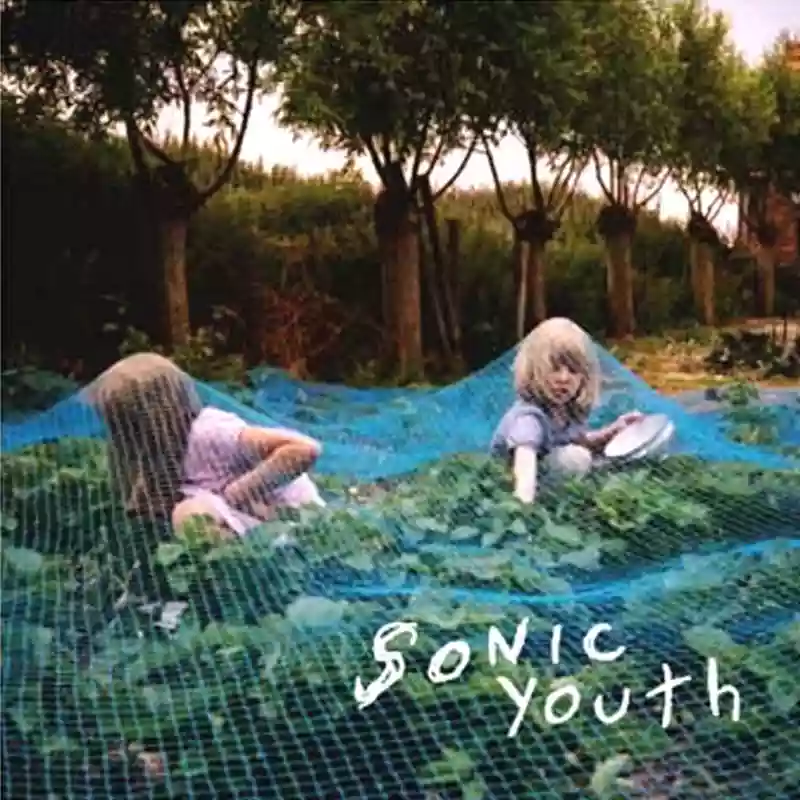
With the beginning of the new millennium, a new era begins in the history of Sonic Youth. Having lost the instruments that marked the evolution of their sound, Moore & co. start from scratch, add post-rock guru Jim O'Rourke to the lineup, and inaugurate what they themselves define as the "New York trilogy," first with the frenetic experimentalism of "NYC Ghosts & Flowers" and then, in 2002, with this "Murray Street," released by the now-trusted Geffen.
"Murray Street" is the album that most represents the genius of the modern Sonic Youth and its definitive transition towards sounds tending more towards pop experimentation than noise (a path, incidentally, also followed by similar groups like Blonde Redhead...): 7 excellent tracks, of which the first 4 are firmly among the best ever produced by the New York group, the beautiful "The Empty Page," the long tail of "Disconnection Notice," the instrumental "Rain On Tin," and "Karen Revisited," the true masterpiece of the album, over 10 minutes of deviated hypnosis that reaches its fruition precisely when that typical "noise" comes into play, this time subdued, in which our heroes are unmatched.
It continues with two pieces, "Radical Adults Lick Godhead Style" and "Plastic Sun," where the level slightly drops, the first being less successful and the second a bit out of the album's context, although still absolutely enjoyable, while the conclusion comes with "Sympathy For The Strawberry," hypnotic introduction and angelic vocals by Kim Gordon that beautifully close an excellent album.
"Murray Street," in short, in addition to being the most beautiful album of the already mentioned New York trilogy, is tangible proof that the creativity of Sonic Youth, with the arrival of the new millennium, is anything but dulled, but rather, always eager for experimentation, new ideas and sounds that will never cease to amaze us.
Loading comments slowly
Summary by Bot
Murray Street marks a new phase for Sonic Youth with a shift towards pop experimentation mixed with their signature noise. Featuring the addition of Jim O’Rourke, the album is part of their acclaimed New York trilogy. Highlights include ‘Karen Revisited’ and ‘Sympathy For The Strawberry,’ showcasing the band’s innovative creativity. Despite minor dips in track strength, the album is a strong testament to Sonic Youth's evolving sound.
Sonic Youth
American experimental rock band formed in New York City in 1981. Core members across their most influential period included Thurston Moore, Kim Gordon, Lee Ranaldo and Steve Shelley; Jim O'Rourke later collaborated and is mentioned as an official member in reviews.66 Reviews
Other reviews
By Brother Ray
"Murray Street is certainly not the most significant episode in Sonic Youth’s discography."
"An album decidedly less experimental and for this reason more accessible than others."
By Dan Erre
Thurston Moore shouting: 'I don’t wanna die, guys.'
Their noise, especially live, could also be pure abstractionism.
