
 •
Rating:
•
Rating:
THE REVIEW
Mike Ness's creation emerged onto the American punk scene in the early '80s as one of the most promising bands around. The Californians' journey was abruptly halted in 1985 due to serious drug problems that led Ness himself to hospitalization and a long rehabilitation.
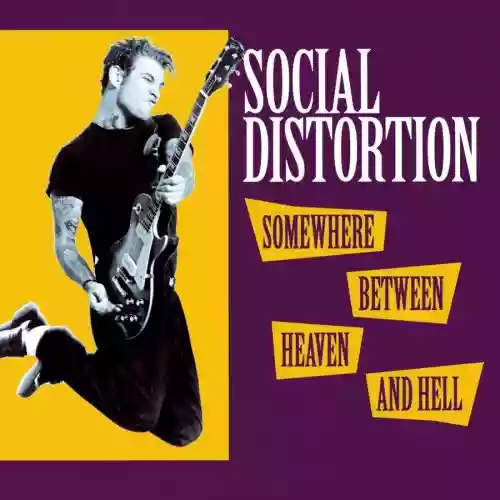
With the premise that Social Distortion have consistently produced great music over nearly thirty years of career, I'd say that among all their albums, "Somewhere Between Heaven and Hell" from 1992 is the most famous, the one that best represents them, and simply the one I love the most. After an excellent debut, "Mommy's Little Monster," which laid the foundations for that carefree and melodic Californian punk that would become particularly popular in the 1990s, the band charted their course in a much more personal way. Their artistic offering can't simply be placed under the wing of punk but is clearly influenced by typically American folk country and rock'n roll sounds, with the rockabilly attitude being predominant in their image, attitude, and lyrics.
"Somewhere" particularly accentuates this stylistic direction, and songs like "Born to Lose" and "Bad Luck" let us imagine the four Californians dealing with Harleys, Jack Daniels, and gambling. Musically speaking, it is pure punk'n roll with strong southern tints, and it's easy to imagine that Bruce Springsteen and Johnny Cash are two huge points of reference for them. One of the things I've always admired about Social Distortion is certainly how they've remained unchanged despite the shifting trends within rock itself and how they've stayed true to the image they've crafted in such a long and not always fortunate career.
Among the best moments of the album, besides the already mentioned "Born to Lose" and "Bad Luck," "Making Believe," the rocky "Bye Bye Baby," and "Sometimes I Do" with its catchy refrain deserve to be mentioned. Even though American punk once again tops the charts with Green Day, Offspring, NOFX, and Rancid, Social Distortion abstain from this hotbed without diluting their sound, which, although quite catchy, manages to remain more mature and personal than their playful and more commercial peers.
Unfortunately, severe drug problems continued to be an obstacle in the following years, and the sudden death of the historic guitarist Dennis Danell once again interrupted the band's journey. This resulted in great inconsistency in their future production (only two albums for the entire '90s), and we had to wait nearly ten years to see them return to the scene. A mature, thoughtful punk, less frivolous than many others, more solid thanks to Mike's suffering vocal tone, which makes it much more interesting and enjoyable to listen to.
A band to rediscover and love.
Loading comments slowly
Summary by Bot
Social Distortion's 1992 album 'Somewhere Between Heaven and Hell' is praised as their most iconic and beloved record. The band blends punk with American folk, country, and rockabilly influences, crafting a mature and personal sound. Despite struggles with addiction and tragedy, Mike Ness and the band stayed true to their style. The album features standout tracks like 'Born to Lose' and 'Bad Luck' and remains a solid alternative to more commercial punk acts. A mature, heartfelt listen recommended for punk enthusiasts.
Social Distortion
Social Distortion are an American punk rock band from Orange County, California, formed in 1978 and led by singer and songwriter Mike Ness. Their sound is widely associated with melodic punk shaped by rock ’n’ roll, country, and blues influences.12 Reviews
