
 •
Rating:
•
Rating:
THE REVIEW
Lately, the so-called folk metal has enjoyed good popularity among those who listen to so-called extreme music. Many bands, I'm thinking of Finntroll, Korpiklaani, Ensiferum, Turisas, and surely there are others that might be even more representative, owe their success to the mix of black or melodic death riffs and traditional instruments (notably in recent years, power and symphonic influences have become quite prominent), all accompanied by choruses worthy of taverns where rivers of beer flow, often sung in growl or scream. What many don't know, or have forgotten, is that this (sub)genre originated from good old thrash.
Yes indeed, back in 1990, the singer Martin Walkyer left the legendary Sabbat due to artistic differences with the other mind of the band, guitarist Andy Sneap (now a well-known producer). Alongside Steve Ramsey (guitar) and Graeme English (bass), formerly of the classic bands Satan and Pariah, he founded Skyclad with the intent to create "the ultimate pagan metal band". The name itself is already a declaration of intent, as it refers to a practice in Wiccan pagan rituals, that of being naked (clad) under the sky (sky), and demonstrates how much Walkyer is passionate about these topics, as was already seen with the concept of "Dreamweaver" by Sabbat.
For the charismatic singer, it's probably not a new beginning, but a continuation of a discourse. Indeed, his angry and raspy vocal style characterized by a peculiar metric hasn't changed from his previous studio work, and his cryptic and meticulously crafted river of lyrics, another big difference from today’s caribou sausage festival folk metal, sweep the listener from start to finish of the album. What is new compared to Sabbat's style is the presence of the violin that pops up suddenly here and there, starting right from the opening "The Sky Beneath My Feet", and probably reaches its moment of glory in the ballad "The Widdershins Jig", which can be taken as a manifesto song where the genre finds its identity. An identity that will be more concretely realized already in the following "A Burnt Offering for the Bone Idol", where the violin will be given much more space, and then further with the third album "Jonah's Ark" where thrash, by then a dead genre, will be abandoned entirely.
In essence, this is still a raw album, but tremendously spontaneous, which I personally consider unsurpassable and conceptually superior to all current folk/viking/celtic/symphonic metal works that saturate the music market today, much to the delight of Nuclear Blast.
Loading comments slowly
Summary by Bot
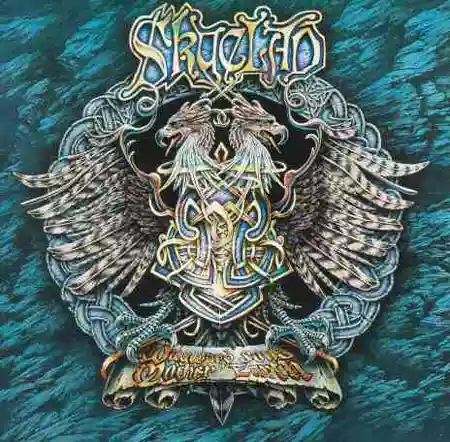
Skyclad's debut album, The Wayward Sons of Mother Earth, is recognized as a foundational work in folk metal, blending thrash roots with violin and poetic lyrics. Martin Walkyer's distinctive vocal style and the album's raw, spontaneous nature set it apart from more commercial modern folk metal bands. The album is praised as conceptually superior and an authentic representation of pagan metal's beginnings.Tracklist Lyrics Videos
Skyclad
Skyclad are a British folk metal band formed in 1990 by Martin Walkyier (ex-Sabbat), Steve Ramsey, and Graeme English in Newcastle upon Tyne. Credited as pioneers of folk metal, they fused thrash-rooted heavy metal with Celtic folk and prominent violin. Georgina Biddle joined in 1994, and after Walkyier’s 2001 departure, Kevin Ridley took over vocals. Key releases span the 1990s through the 2000s and beyond.06 Reviews
