
 •
Rating:
•
Rating:
THE REVIEW
Simple Minds need no introduction. The Glasgow-based band wrote an important part of the music of the '80s. Live, the group had an impressive strength, due in part to its leader, the charismatic Jim Kerr, who could command the stage like few others at the time.
This is the third chapter of their long history, and it is also considered the most "dark" episode of their career.
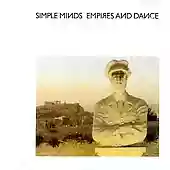
We are in 1980, and after two works still searching for a full identity, Simple Minds release this album that surprises both critics and fans simultaneously. Perhaps infatuated with the techno-decadent danceable trend of the time and especially with the robotic rhythms of Kraftwerk, Kerr and company decide to steer towards a compressed and mechanical sound, claustrophobic and dark, confusing and disorienting. To immediately convey their new direction, they place "I Travel" as the opening track, and the choice couldn't have been better. The song is indeed the manifesto of this new direction, a futuristic nightmare, a technological dance track for intellectual discos interspersed with intricate synth games, with a chorus that slightly opens the melody only to plunge back into an overwhelming mechanical rhythm.
No glimpses of clear sky to speak of, and if anything, "Today I Died Again" makes the scenery even darker with its claustrophobic electronic carpet. Kerr declaims from afar, with a voice laden with echo, threatening and accusatory.
The hypnotic "Celebrate" is a lullaby punctuated by a synthetic ticking, a prelude to the long decadent dance tinged with orientalisms of "This Fear Of Gods," 7 minutes of inexorable descent into a psychotic and sickly discomfort.
Sometimes these dark and obsessive arrangements are the excuse to stage Kerr's performances as in the case of "Constantinople Line" and the succeeding "Twist-Run-Repulsion," an avant-garde experiment that sees Kerr duet with a female voice in French, in an expressionist cabaret register.
"Room" closes the discourse, with keyboards again as the main protagonists, shaping a crescendo sound that seems about to explode at any moment, only to suddenly stop.
In conclusion, a work that is morbid and obsessive, frightening, perhaps a bit monotonous but fascinating, undoubtedly an album to own, among the best testimonies of the period.
Loading comments slowly
Summary by Bot
Empires And Dance marks a pivotal 1980 album for Simple Minds, embracing a dark, mechanical, and techno-influenced direction. Driven by Jim Kerr's commanding presence, the album blends hypnotic synths with avant-garde elements. Though occasionally monotonous, the record remains a fascinating and essential piece of 80s music history.Tracklist Lyrics Videos
