
 •
Rating:
•
Rating:
THE REVIEW
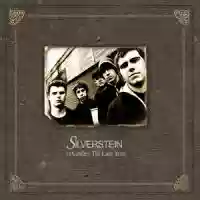
The Silverstein, riding the wave of success from their previous LP "Discovering The Waterfront," release this "18 Candles: The Early Years." This album is a collection, for the record, and it's really poorly done without any half measures. Now I ask, what is the point of making a compilation of various tracks, most of which are not from their official productions, if the following songs are entirely negligible?
Unfortunately, there are flaws like stains, starting with poor and often confusing sound recording, and moving on to the scarcity of remarkable tracks. Add to this that in this collection, we hear the early Silverstein dedicated to nothing more than simple melodic punk and nothing more, light years away from the emo-core sound that they would later develop and that would make the band one of the most successful in the scene. This was exactly what led me to a negative judgment of the band, which promptly changed as soon as I heard some of their real repertoire. However, let's analyze the little that is interesting within the platter. The first 12 tracks are from the band's first two EPs, "Summer Stellar Gaze" (2000) and "When The Shadows Beam" (2002), inserted here as they were and remastered without the desired effects, given the poor sound quality. To all this, two acoustic versions of electric tracks, three live tracks, and a needless remix of songs from their famous "DTW" (with one exception) complete the collection. One of the few noteworthy tracks from the EPs is the powerful "Bleeds no more," with a refrain completely in scream (screamed vocals used for long parts), tight rhythms, and even some violin plays midway. This is perhaps the only one along with "Defend you" that can be defined as emo-core and fits into the sound that the band has accustomed us to. Of the other EP songs, only a decent and nothing more "Waiting four years" and the dual nature of "Last days of summer" (already present in the LP "When Broken Is Easily Fixed") are worth mentioning. Certainly, the latter is the most creative piece (in terms of compositional variety, not mere beauty, although it's a good piece) that transitions from a first part with sweet arpeggios and introspective and slow style reminiscent of Jimmy Eat World to a second completely strummed and screamed in screamo style, with a riff that touches metal. It's a pity for the uselessness of two songs (contained in both EPs) that are repeated here twice, without this actual need. The last part of the album, as mentioned, is dedicated to studio song remakes, a strategy to complete an otherwise sparse collection in terms of number of songs. The acoustic versions of "My heroine" and "Call it karma" are performed with just two acoustics, and the result is not bad; the latter certainly stands out, truly splendid. The band also included three live tracks, such as the title track "Discovering The Waterfront," which remains low-key, a not very thrilling "Bleeds no more" featuring the vocalist from Aiden, and the convincing "Defend you." Precisely "Defend you," a great hardcore track where the clean and predominantly furious scream of the singer blends with the high speed of the rhythm section and with a great well-chosen chorus. This very piece can remind of bands like Underoath or the more melodic My Chemical Romance of "Three Cheers For.." regarding the choruses. As for the final dance/techno remix of "Smile in your sleep," only one word is needed: embarrassing. This absurd idea ruins the splendid version of the song present on the studio album.
In summary, a negligible collection, good only for the band to pay for a new villa by the sea. But the fault for all this is definitely to be shared with their label, Victory (unfortunately more focused on sales than a major) and reluctant to stop proposing such money-grabbing ideas. The band itself is not in question at all; they are certainly one of the best in the genre, but we are light years away from the style and the band heard in "Discovering The Waterfront." The advice, therefore, is to leave the album aside unless you are super fans of the Canadian band and want to see how they sounded at the beginning. But the rule that always applies in these cases is the same: if a collection is to be made, it should be acceptable, and here the only good tracks are those recycled from studio works, to the wise, few words?
Loading comments slowly
Summary by Bot
Silverstein's '18 Candles: The Early Years' is a poorly executed compilation, featuring low-quality sound and mostly unremarkable punk tracks. Though a few songs hint at the emo-core style the band later perfected, the album largely fails to deliver. Acoustic and live tracks offer some interest, but an ill-advised techno remix detracts further. Recommended only for die-hard fans curious about Silverstein's beginnings.Tracklist Lyrics
03 Friends in Fallriver (03:01)
04 Summer's Stellar Gaze (02:47)
08 Dawn of the Fall (04:17)
11 Last Days of Summer (04:26)
13 My Heroine (acoustic) (03:34)
14 Call It Karma (acoustic) (04:18)
15 Discovering the Waterfront (live) (04:45)
16 Defend You (live) (03:34)
17 Bleed No More Fear (live) (04:16)
18 Smile in Your Sleep (Crude Mechanical remix) (04:35)
Silverstein
Silverstein is a Canadian post-hardcore/emo band associated with the 2000s emo/screamo movement, noted for mixing melodic passages with screamed vocals and for albums such as “Discovering the Waterfront.”12 Reviews
