
 •
Rating:
•
Rating:
THE REVIEW
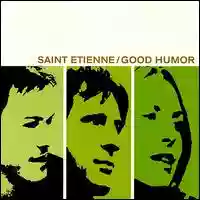
Good humor is a title that could be applied to any of the seven albums by Saint Etienne: between dance, lounge, pop, their colors have the shades of ice cream flavors (light violet, brown and acid green), their style is sporty and a bit retro, they love a vaguely sixties glamour and adore the French pronunciation, which always adds that touch of elegance, even when applied prosaically, as here, to the name of a football team.
The Saint Etienne (Sarah Cracknell on vocals, Pete Wiggs and Bob Stanley on the rest) have been the quintessence of British synth-pop for years: stylish, discreet, smiling, pastel-colored like the late queen mother, they are the bright and joyful face of pop. Their albums evoke bicycle bells, the open noise of a city on a sunny day, teenagers in sunglasses, cars driven with relaxation, trees reflecting on clean skyscraper windows. The sound of Saint Etienne is set in the most glorious and sunny present imaginable.
"Good humor", their fifth album, was released in 1998, led by the delightful "Sylvie", the only true dance song on the record: an elegiac piano opening unfolds over a bass, piano, and percussion pattern, until the beats take shape and the crystal, childlike, and delicate voice of Cracknell comes in, addressing with sweet reproach her younger sister, a seventeen-year-old school beauty queen who steals her boyfriends; three wonderful melodies, and in the end a triumph of bells and choirs. This is what Saint Etienne is. Their season is an eternal and mild spring, with blooming trees and open windows: call a friend or go out alone and maybe meet her in front of the school?
In the rest of the album, the versatile Wiggs and Stanley abstain from electronic bases, preferring to continuously resort to samples and instrumental embellishments (flutes, harpsichords, violins…) that always enrich the pieces impeccably and imaginatively (and not by chance, the two have always been among the most sought after, in their Albion, for productions and remixes). Beautiful "Split Screen", a true lounge gem to listen to in the car tapping the rhythm with your hands on the steering wheel. "Mr. Donut" is a typical slow Etienne style, with Cracknell's voice becoming ethereal, extremely fragile, and being lulled by soft blows of keyboards overlapping very smooth melodies. A plush song.
"Goodnight Jack", jazzy, maintains a spring holiday at sea atmosphere, and so does "Lose That Girl", impossible to listen to without swaying, among funky inserts, the visible bass, and the usual keyboards gesturing behind the cocktail-dressed Cracknell. And there is even room for the Belle And Sebastian-style folk-pop of "The Bad Photographer", a funny and delightful French spy story, or for the funky of "Erica America", or for the very sixties melodies and sounds of "Postman", where the contrast between the dirty and rough musical background of the refrain and the crystal-clear and caramel-like voice of Cracknell is extravagant. "Dutch Tv" closes with a typical atmosphere of a hotel abroad during a vacation: the unknown city is outside waiting, illuminated by the last light, while the shower noise overlaps with that of the TV turned on. Enjoy the organ that starts the song, with the brushes slapping the drums: delightful.
"Good humor" is one of those albums that "set the mood": in this, Saint Etienne are perhaps among the best since their distant debut in 1990 (and anyway among the masters of today's best). Light but sophisticated, delicate and at the same time lively, sociable and winking, they are a non-alcoholic fruit drink: they do not stun, they go down smoothly, they leave an excellent aftertaste. Which, sometimes, is just what we need.
Loading comments slowly
Summary by Bot
Saint Etienne's 'Good Humor' album blends synth-pop with lounge, retro, and sixties glam influences. Featuring Sarah Cracknell’s delicate vocals and rich instrumentation, it creates a joyful and sophisticated soundscape. Highlights include the danceable 'Sylvie' and the jazzy 'Goodnight Jack.' The album evokes an eternal mild spring, balancing lightness with complexity, and remains a standout in their discography.Tracklist Lyrics Videos
Saint Etienne
Saint Etienne are a London trio formed in 1990 by Bob Stanley and Pete Wiggs, later joined by vocalist Sarah Cracknell. They blend indie pop and dance culture with 60s-inspired elegance and electronic textures, earning a cult following with albums such as Foxbase Alpha, So Tough and Tiger Bay, and continuing with acclaimed works like Tales From Turnpike House and Words And Music by Saint Etienne.05 Reviews
