
 •
Rating:
•
Rating:
THE REVIEW
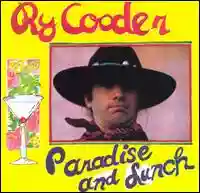
Listening to this album is like being catapulted into another world. Nothing metaphysical, no. Just dust, earth, faces, many different faces. Each one carries a story, and each one has it written on their face, and it can be a song. Someone who can go mad for a cigarette, and then when they can finally smoke it, they feel good. Or a Mexican divorce, or thinking that everything is over, and how beautiful it would be if even the walls could talk...
And then a guitar always at hand, as in the best traditions. It almost seems like watching a scene from some Sergio Leone western, with good old Ry - the “philologist,” as he might be called in learned circles - playing while leaned against a wall. And all around him, his companions, those who share the same idea of Music with him.
The whole album has this scent, this intense aroma of a past time, that was beautiful and will never come back. In the sweet harmonies of Tattler, we think back to that girl, yes, that same one, with her sweet face printed in front. The most beautiful song ever composed by Ry Cooder, who writes “musician” and reads “treasure hunter.” The one who takes up the traditionals of Temp 'Em Up Solid and the lovely march - truly magnificent - Jesus on the Mainline, supported by the horn section masterfully directed by George Bohanon. The one who also pays tribute to Bobby & Shirley Womack with a sweeping version of It's all over now. The one who plays his instrument divinely for all the 37 minutes and more of the album. The one that as soon as you hear his voice in Ditty Wah Ditty you say "but no come on, how can this one sing? Wouldn't it have been better if he just kept playing?..". And then he engages you, you like it. And then, towards the end, that piano arrives, with the great old Earl Hines emerging from a corner of a forgotten and smoky saloon...
And here we are at the fourth album for Cooder, Year of Our Lord 1974. And if Our Man had already made a name for himself in 1969, playing the slide in Love in Vain on "Let it Bleed" of stone memory - although his debut would be delayed by a year - with this, he achieves the so-called squaring of the circle. Not that an album like "Into the Purple Valley" was much inferior or immature, by any means. But certainly on the fourth attempt, Cooder becomes fully aware of his role as "cataloger" and "resuscitator” within the world of rock music in general. A bit like the distinguished company J&R did - in their own way - some years before, with the first albums (and not only). And as this talented and brilliant guitarist has taken up again, going in-depth. A character undeservedly fallen into oblivion for some time now, who certainly deserves another level of attention, if only for the role played within a constant rereading and search of our roots.
Loading comments slowly
Summary by Bot
Ry Cooder’s 'Paradise and Lunch' transports listeners into a vivid world filled with stories, traditions, and soulful melodies. The album masterfully blends traditional songs and strong musicianship, capturing the spirit of a bygone era. Noted for its guitar work and poignant storytelling, it marks a high point in Cooder’s career as a musical 'resuscitator' of roots music. The review praises both the emotional depth and the skilled arrangements involving notable collaborators.Tracklist Lyrics Videos
Ry Cooder
American guitarist, singer and composer famed for expressive slide guitar, archival roots explorations and landmark film scores. Collaborated with Taj Mahal, the Rolling Stones, Captain Beefheart and Neil Young, and helped bring Cuban veterans to global attention with Buena Vista Social Club.09 Reviews
