 •
Rating:
•
Rating:
THE REVIEW
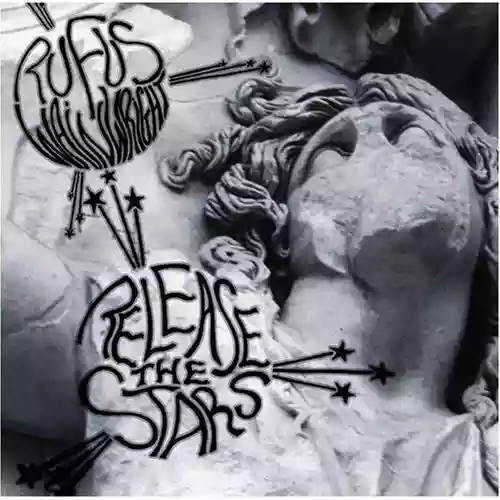
Rufus Wainwright is back!
After the self-titled, 'Poses', and the duo 'Want One' and 'Want Two', finally returns to the speakers the most controversial and spotlight-shy American singer-songwriter in the current scene, comparable only in attitude to various Antony, Bonnie 'Prince', Bright Eyes, and Sufjan Stevens, but with a personal style, indebted mainly to the school of Neil Young and/or Scott Walker (and I'll stop here with the references, otherwise I'll come off as yet another annoying name-dropper). Those who appreciated the previous works will surely not miss this appointment, finding the same mournful and full-bodied voice as always, similar to a Thom Yorke (there I go again) reconciled with the world, plus the inevitable orchestral contribution, at times pompous, at times dramatic, sometimes epic. Once again, I will avoid diving into detail with a track-by-track description to avoid boring you, firstly, but above all to leave space for the free enjoyment that always generates that thrill of surprise and curiosity.
Just to not disappoint the unfortunate reader, I could name a few tracks, in my humble opinion among the best: the opener “Do I Disappoint You”, majestic and cinematic in its martial progression, supported by the orchestra and gospel choir; the following “Going To A Town”, melancholic and perfect for basking in one's unfulfilled dreams; “Nobody's Off The Hook”, with Rufus’s piano and voice at the center stage, conversing with miraculous string melodies; “Between My Legs”, surprising at first for that pop rock vein foreign to the body, but which takes root without rejection, thank to our innate inclination to melody; the final “Release The Star”, a retro-flavored blues ballad, enriched by a sparkling brass section and concluding this journey in Wainwright's world in the best way.
Elegant, poignant, cinematic, it is the soundtrack of these modern times, balanced between self-celebration and self-destruction. An album that does not deviate much from previous works, which stands up very well in comparison with the best things done in the past, but that perhaps (and I repeat perhaps) can sound formulaic (or workmanlike), given the perpetuation of themes and structures throughout his discography, but which personally do not displease and bring Rufus Wainwright, if there was ever any need, back to the center of international attention as an artist with a complex personality, yet a universal sound.
Loading comments slowly
Summary by Bot
Rufus Wainwright returns with 'Release The Stars,' an album rich in orchestral grandeur and emotional depth. The review highlights standout tracks like "Do I Disappoint You" and "Going To A Town," praising the cinematic feel and elegance of the music. While noting some formulaic elements compared to previous albums, the reviewer appreciates Wainwright’s unique style and complex personality. Overall, the album is seen as a strong continuation of his artistic journey.Tracklist Lyrics Videos
Rufus Wainwright
Rufus Wainwright is a Canadian-American singer-songwriter and composer known for ornate, baroque-pop songwriting and a distinctive tenor. Acclaimed for albums like Poses, Want One and Want Two, he has also composed operas, including Prima Donna and Hadrian.06 Reviews
Other reviews
By Starblazer
"Going To A Town" ... is a ballad as mournful and bitter as it is authentic and fascinating.
The album... turns out to be a rather uneven work full of highs and lows, with some sections that leave one decidedly perplexed.
