
 •
Rating:
•
Rating:
THE REVIEW
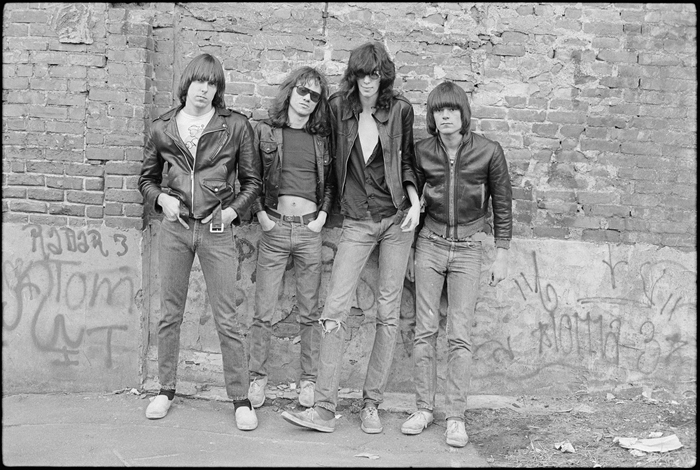
There were four of them with their backs against the wall, and in front of them a woman with a camera, doing a shoot for the magazine “Punk”.
It was the dawn of 1976 and, within a few months, one of the photos taken that afternoon would come to symbolize—like few others—a season of revolution, as intense as it was brief, both artistically and culturally.
In different ways, those five would become among the greatest protagonists of the revolution.
The wall, on the other hand, had started its own revolution a couple of years earlier: in short, it was a proto-revolutionary wall.
If that wall could speak, it would have plenty of stories to tell.
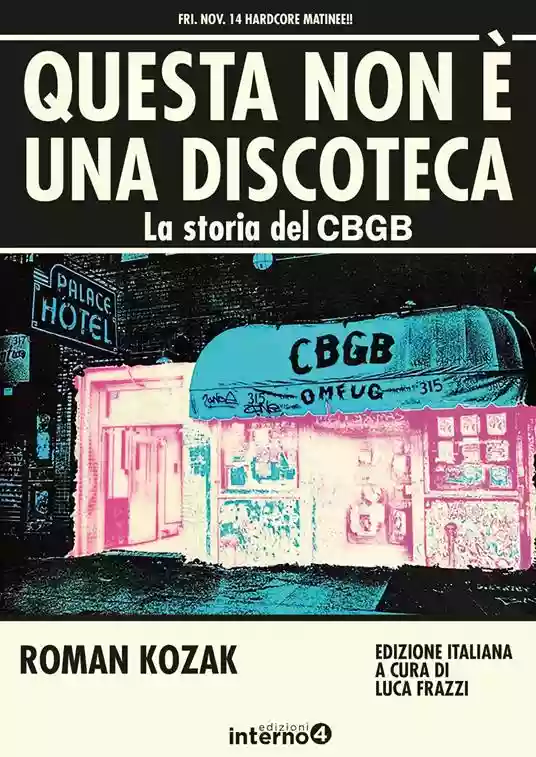
Starting with that of Hilly Kristal, a man who swore up and down in New York in 1973 that country music would take over the city, then the nation, and finally the world; so, after wasting his best years trying to convert the heathens of the West Village, Hilly moved, lock, stock, and barrel, to a grubby little place on the Bowery, which he christened “CBGB OMFUG”, an acronym that stood for “Country, bluegrass, blues and other music for uplifting gourmandizers”.
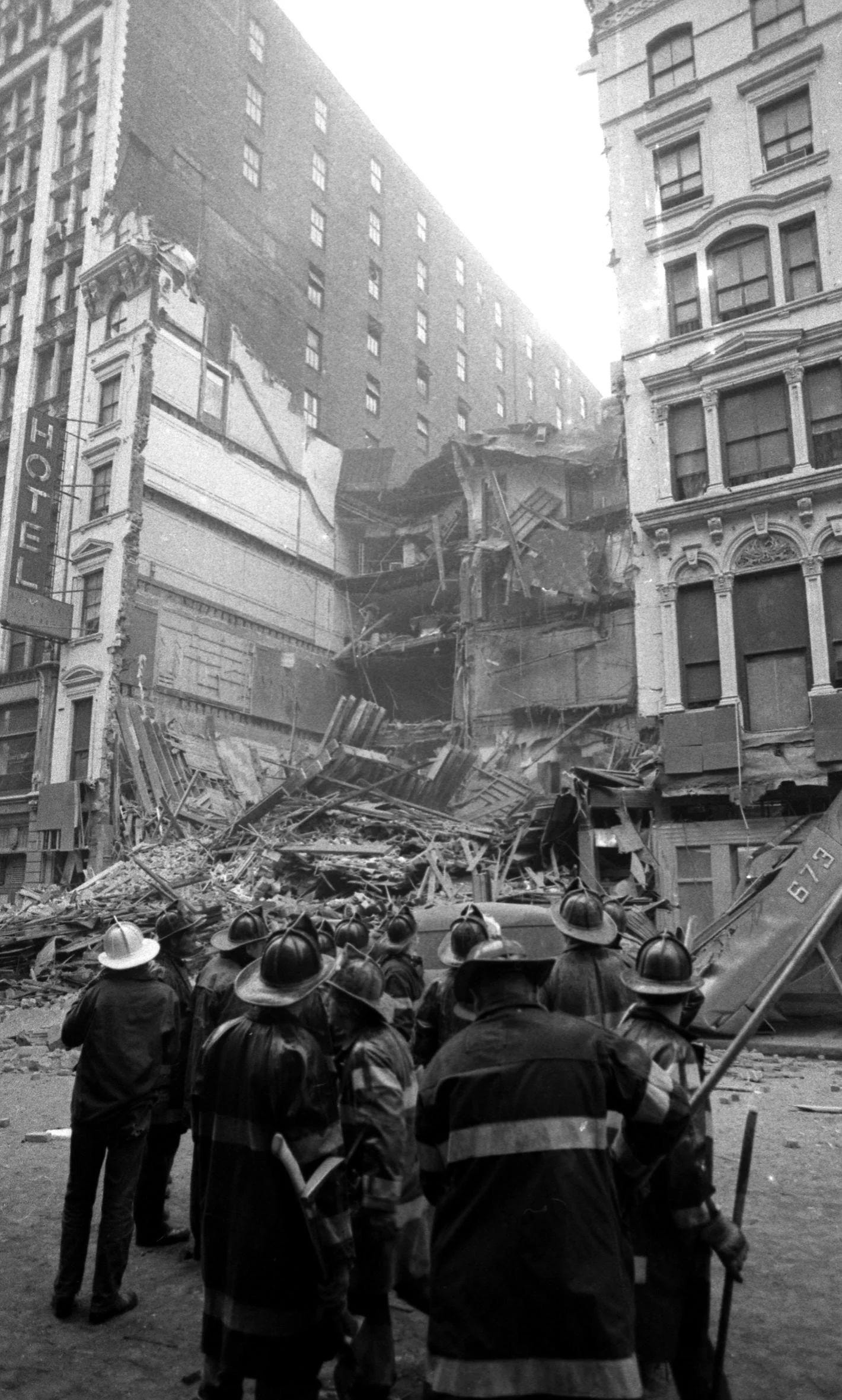
Poor Hilly wouldn’t have been noticed by anyone, not even on the Bowery—least of all by the guests at the Palace Hotel upstairs, looking for either a makeshift refuge or fifteen minutes of clandestine sex—if it hadn’t been that, after just a few months, several walls came down—not the one those four in the photo were leaning against, but the ones supporting the Mercer Arts Institute. The Mercer hosted theater productions and, to help fund them, also welcomed bands that were hard to “sell” elsewhere, like New York Dolls and Suicide, and many others whose names history has not recorded, who then went searching for other walls to prop up their amps and gear.
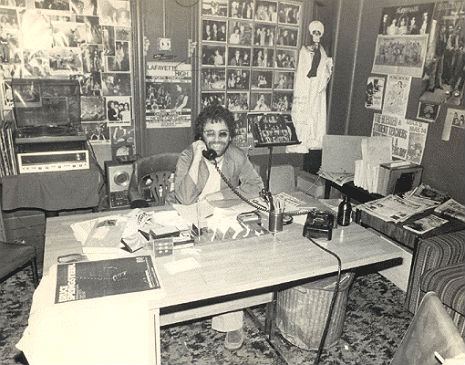
Among those searching was Terry Ork: as the saying goes, seek and you shall find, and Terry found CBGB. Terry owned a tiny record label simply called Ork Records, and it was crammed with an entire universe, just as “unmarketable” as the crowd that hung around Mercer. There were these three—Thomas Miller, Richard Meyers, and William Ficca—they were the Neon Boys, but by the time Hilly opened the CBGB doors to them, they’d already changed their name to Television; even Thomas had changed his own name and, convinced he was a great poet armed with a guitar, called himself Tom Verlaine. Poets are a rough bunch, and so are poetesses: like Patricia Smith, who remained a Smith and was content with the elegant “Patti”—obviously, she developed a platonic infatuation for Verlaine and was a constant presence at CBGB.
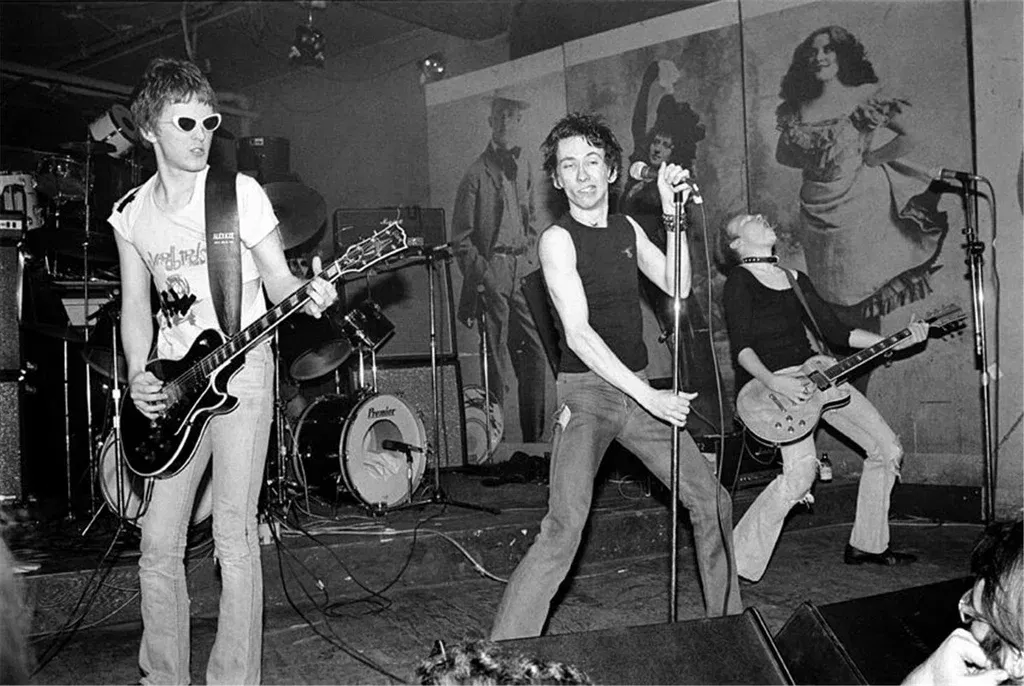
It’s hard to believe, but they built CBGB themselves, Television and those four guys with their backs to the wall: just like Thomas, they’d changed their names and even claimed to be brothers, the Ramone brothers—Dee Dee, Joey, Johnny, and Tommy. To tell the truth, they built more than just CBGB—they built the first authentic scene rock’n’roll had ever known, one where there wasn’t even a real stage, and whoever told their story—whether poetry or rough comics—often mattered less than who was listening, and sometimes, they were one and the same person.
They called that scene punk, but for Hilly those four letters never meant anything, just a Telly Savalas curse word in his role as Lieutenant Kojak; to him, those kids played a kind of street music he didn’t even like—he used to say that the best thing about the Ramones was that their sets lasted at most fifteen minutes—and he opened CBGB’s doors to them simply because, after a single glance, he was sure: it’s true, those youngsters couldn’t do anything, but they would conquer the world, and that was it.
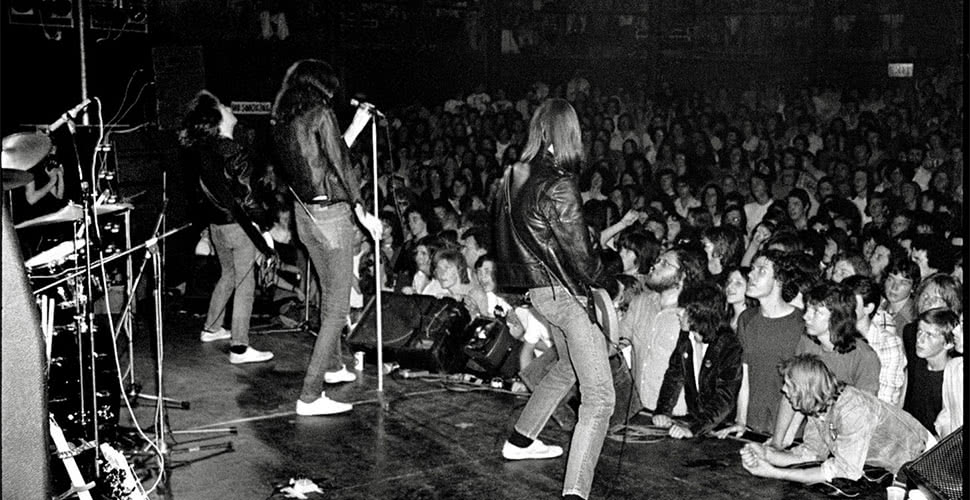
Pop sociology and even flimsier philosophy, the so-called “cultural phenomenon”—none of that had anything to do with CBGB, with Television, and even less with the Ramones. On the contrary, it was all the doing of a failed fashion designer named Malcom McLaren, who ended up in New York—no one quite knows how—and is mostly remembered around there for having buried the New York Dolls when they already had one foot in the grave; had he not returned to his native London, he would have kept pursuing his doomed adventures in the dazzling world of fashion, except that one day he saw genius in the mocking sneer and feverish eyes of a young man named John Lydon; from that day, Malcom was convinced he had invented punk, and he took that certainty with him to the grave. At least he was sincere—because on July 4, 1976, when the Ramones made their appearance at London’s Roundhouse, young Malcom was still shoveling dirt onto the grave in New York.
In the end, Hilly was right—those four letters, p-u-n-k, meant little or nothing. And when he opened the doors of CBGB to the Dead Boys, who were punk for real (and more than any of the bands raging across England put together), that was the beginning of the end.
A very long agony—thirty years—if not of the body, then certainly of the spirit.
And soon after, someone else arrived—curiously, another failed fashion designer like McLaren but without his scoundrel’s charm—who declared he wanted to preserve the wall, even though he’d never leaned his back against it; one of those people who thought, think, and will always think that turning someone else’s rebellion into crisp banknotes in their own pockets is a clever trick. And so, only the wall and the street sign for “Joey Ramone Place” were left alone.
In the end, I’ll tell a very short story of my own—about five Australians who passed by that wall on a sultry July afternoon in 1986 to start their soundcheck for a concert they would perform a few hours later; a concert that was etched onto two sides of vinyl; vinyl that found its way into my hands, making me exclaim, “Ma che roba è ‘sto CBGB?”.
The wall cannot speak, but the whole story is told by Roman Kozak in two hundred pages that fly by as fast as a Ramones set, and are nearly as enjoyable.
Loading comments slowly
Summary by Bot
The review examines Roman Kozak’s book chronicling the iconic CBGB club. While providing information on the rise of punk, it maintains a balanced perspective. The author discusses both the strengths and limitations of the book. Insights into the cultural impact of CBGB are highlighted. A moderate rating reflects the book's mixed appeal.