
 •
Rating:
•
Rating:
THE REVIEW
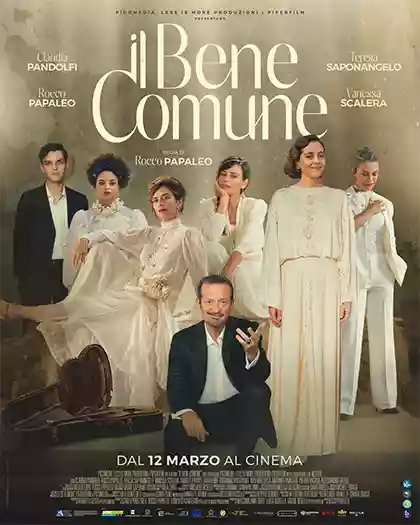
I have to say that I was skeptical about Papaleo, whom I considered a bit like the typical “comedian who doesn’t make you laugh.” But I didn’t really have an alternative to offer to my partner’s choice, so I put on a brave face. Ah! Before anyone rails against the “multiplexes,” let me clarify that the film was actually showing in a “secondary” theater—a fact that surprised me, considering it had just been released.
But the real surprise was the film itself: essentially dramatic, with tragicomic situations that lightened the tension.
Ah! Before anyone butts in with inappropriate political remarks: the film also touches on the judicial system, featuring both a good judge (the one who allows the inmates of a “Casa Di Accoglienza” to go on an excursion to the Pollino massif) and a bad judge (the one who grants exclusive custody of the child to the violent and sociopathic father).
Of course I’m not going to tell you the plot: also because there isn’t just a single story to tell, but seven. And here, the director, actor, musician, and writer from Lauria manages to create a little masterpiece, intertwining the stories without making it particularly demanding to watch. Okay! You might say that Ozpetek has woven together even more than seven... but we’re not talking about that level here.
Anyway, Papaleo pulls it off brilliantly, thanks also to the skill of the actors, especially himself and Scalera, and the musicians/mimes who act almost like the chorus in a Greek tragedy.
So I’ve also spoken, albeit indirectly, about the praiseworthy soundtrack, and I’ve also hinted at the setting and scenography, which are equally noteworthy.
Loading comments slowly
Summary by Bot
Rocco Papaleo's 'Il Bene Comune' receives a favorable review, scoring 4 out of 5. The analysis highlights the film's engaging themes and effective storytelling. The review appreciates Papaleo's direction and artistic choices. Key moments and insights from the movie are discussed. Recommended for fans of thoughtful Italian films and Papaleo's work.
Rocco Papaleo
Italian actor, comedian, musician, and film director from Lauria (Basilicata). Known for blending humor and pathos across film, TV, and stage.01 Reviews
