
 •
Rating:
•
Rating:
THE REVIEW
sexy: "Can you send me a preseamale song?"
alex: "There are several, but one is special..."
sexy: "What is it?"
alex: "I'll send you a Neapolitan song by Roberto Murolo"
sexy: "Who?"
alex: "He's one who made a song with Mia Martini"
sexy: "Ah, send it, send it"
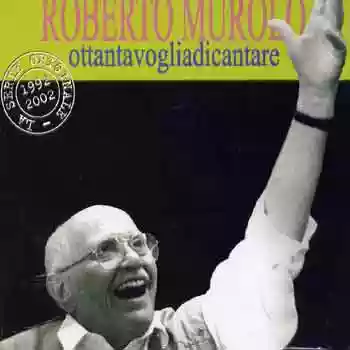
It started like this, the discovery of one of the most beautiful songs I've ever heard, the song in question is "cu'mme!" the kind of song that becomes part of you, stays inside, and every adventure you go through it's there, it's a moment, about twenty days, then the song freezes, loses its meaning, and you abandon it in the depths of "I-TUNES".
It's beautiful this way, for the moment I listen almost exclusively to this one, classic Neapolitan song with a mandolin, enriched by Mia Martini, the most beautiful Italian female voice after Mina's, husky and soft at the same time.
The CD is a must-buy, it's an old song but it has a "quel non so che" that gives depth to an important work on the Italian scene, enhanced, I repeat, thanks to Mia Martini's voice... poetry
special thanks to: alex
Loading comments slowly
Summary by Bot
The reviewer shares the discovery of Roberto Murolo's Neapolitan song 'Cu'mme!' enriched by Mia Martini's remarkable voice. The song deeply resonates as a timeless, poetic classic blending mandolin music with powerful vocals. The album is highly recommended as a must-have for fans of Italian music.Tracklist
Roberto Murolo
Italian singer and guitarist from Naples (born 1912), son of poet and lyricist Ernesto Murolo. After touring Europe with the Quartetto MIDA and building fame in postwar venues (notably Capri), he became a leading interpreter of the Neapolitan song. He curated the 12‑LP Napoletana anthology, was relaunched to the wider public by Renzo Arbore in the 1980s–90s, collaborated with Fabrizio De André on Don Raffaè, and recorded into his nineties, including Ho sognato di cantare.03 Reviews
