
 •
Rating:
•
Rating:
THE REVIEW
In 1980, Robert Palmer is an established music artist whose career already boasts numerous adventures. Very young, he debuted in the jazz-rock-fusion big band Dada, then continued in a sort of dilution of the group, the Vinegar Joe, with whom he recorded three highly appreciated blues works with various contaminations. Since '74, he embarked on a solo career rich in experimentation that saw him as a protagonist of the "blue-eyed soul" movement, with albums like "Pressure Drop" ('75), "Double Fun"('78) and "Secrets" ('79) leading him to well-deserved success with both the public and critics.
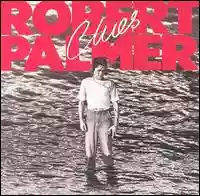
The '80s open with this "Clues." A very famous record thanks to the very famous synthetic ballad "Johnny And Mary", a summarizing manifesto of the work’s spirit and Palmer’s new season. The sound is close to New Wave, with collaborations from Gary Numan and Chris Frantz of the Talking Heads. "Clues" is characterized by a well-balanced selection of tracks between electronics and more traditional sounds, with the common denominator being a search for simplicity and immediacy that makes the album a pleasant listening experience. Palmer revives an old Beatles song, "Not A Second Time"; a curious cover with arrangements from the period that, however, does not lose the joyful spirit of the Lennon-McCartney original, placing it alongside the rock surge of "Sulky Girl" and the claustrophobic electronics of "I Dream Of Wires". The opening track, "Looking For Clues", features the participation of Talking Heads drummer Chris Frantz, for a dynamic, radio-friendly song that contributed to the album's success.
With his next work, "Pride" from '83, Palmer would partially recover the white soul-reggae spirit of the '70s by combining it with contemporary sounds. In '85 with "Addicted To Love," contained in the album "Riptide," he would find himself in MTV's heavy rotation circuits, becoming known to a younger audience who might not have otherwise discovered him.
Loading comments slowly
Summary by Bot
Robert Palmer's 1980 album Clues marks a shift towards New Wave influenced sounds, blending electronic and traditional styles. Featuring collaborations with Gary Numan and Chris Frantz, the album balances simplicity and immediacy. Standout tracks include Johnny And Mary and a Beatles cover, Not A Second Time. Clues showcases Palmer’s evolving artistry between soul and electronic rock.Tracklist Lyrics Videos
Robert Palmer
British singer and songwriter (1949–2003) known for blue‑eyed soul, rock and new wave. After early stints in Dada and Vinegar Joe, he launched a solo career in 1974 and later joined the Power Station. Hits include Addicted to Love and Johnny and Mary; albums span reggae/soul‑inflected 70s sets to the electronic‑leaning Clues and Pride.05 Reviews
