
 •
Rating:
•
Rating:
THE REVIEW
Rome 1981. It's early morning, Rino is returning home. He wandered around clubs, searching for that genuine humanity that gave him the reason for being both a man and an artist at the same time. A moment of sleepiness and a truck passing by hit his Volvo 343 head-on, just a few meters from his home.
An ungrateful death, a punishment often paid by those who do not compromise with reality.
Rino simply couldn't tolerate Italian misconduct, but unlike his singer-songwriter colleagues, "the elected group" of Guccinian memory, he knew how to expose scandals and subterfuges with a cheerful and carefree appearance. "Ma il cielo è sempre più blu" is somewhat his manifesto song, a cheerful refrain to sing in the shower, a text narrating various humanity, of Italian vices and virtues, without declarations, without politics.
A modern storyteller who openly recognized being on the side of the "sole brothers" trampled and hated, oppressed and fragmented.
Rino had certainties, he loved the South and its practical people; he provides an passionate portrait of this world in "La festa di Maria" and "I tuoi occhi sono pieni di sale," songs that imply his love for a barren and fascinating land, a heartfelt and due tribute free from accommodating rhetoric. In "E cantava le canzoni" the folk approach fits well with the figure of the immigrant, in this Rino proves to be a pioneer of a new way of experimenting with folk in singer-songwriter music ahead of his time, a model that today is adopted by many new groups.
"Gianna" has become a classic of Italian music, here too a cheerful and seemingly trivial tune hides the theme of female emancipation against the prevailing morals.
We all need Rino a little, he left alone but his light and his great humanity didn't die with him.
Loading comments slowly
Summary by Bot
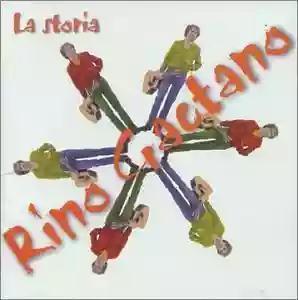
Rino Gaetano's album 'La Storia' captures his unique ability to expose Italian social scandals with a cheerful tone. Known for his heartfelt portrayal of Southern Italy and pioneering folk influences, Gaetano's music blends sharp social commentary with accessible melodies. His songs like 'Ma il cielo è sempre più blu' and 'Gianna' remain classics that reflect Italian life and values. Despite his untimely death, his legacy and light endure.
Rino Gaetano
Rino Gaetano (Salvatore Antonio Gaetano) was an Italian singer-songwriter known for ironic, provocative songwriting that mixed catchy melodies with sharp social and political commentary. He rose to national popularity around the late 1970s, including a breakthrough at the Sanremo Festival with “Gianna,” and died in Rome in a road accident on June 2, 1981.14 Reviews
