
 •
Rating:
•
Rating:
THE REVIEW
There are moments when we are alone with ourselves and we have to make choices, and unfortunately, this paradox always occurs: when we need others, we are alone, and when we don't want anyone around, there are always unnecessary attentions. In the second case, it's definitely a bummer what happens; in the first, maybe it's better this way.
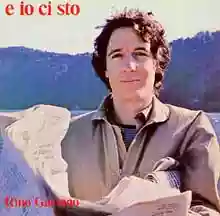
At first, there is a need to tell something to others and receive comfort, but as time goes by, your thoughts come out spontaneously and without the influence of external agents, and then solitude reflection is reevaluated. After "Resta Vile Maschio, Dove Vai?" Rino Gaetano finds himself at a crucial point in his career, he too has to choose what to do in his career after ups and downs. The "well-informed" people of the time present him as someone willing to accept a career and success and ready to sacrifice part of his identity. Listening to this album, released the following year, it doesn't seem that way to me.
The Crotone singer-songwriter proves to be almost restless and introverted, the comparisons to "Ingresso Libero" are very strong. An album that is split in its sounds: while in 1974 it was halfway between certain innovations of the following years and the Sound of the Folkstudio, in this case, it is halfway between the elements of the previous work and some reprises of the past (especially from "Aida" and "Nuntereggaepiù"). The lyrics present two perspectives: one very broad on society, the other focused on individual characters isolated and detached from the rest of society (among these, we find Rino Gaetano himself). A situation similar to "Ingresso Libero," where the all-encompassing attention ("Ad Esempio a Me Piace il Sud", "AD 4000 A.C.") alternates with single melancholic and peculiar protagonists (the old lady and Agapito Malteni). In an album where some, posthumously, cry out "sellout" and the artist has sold his soul to the devil (almost blessing the death) while others still cry conspiracy, there remain flashes of unique genius in Rino's career, rich in anger and intensity. The ultimate example is found in "Ti Ti Ti Ti" and in this phrase: "e quando la tua mente prende il volo ti accorgi che sei rimasto solo. A te che ascolti il mio disco forse sorridendo giuro che la stessa rabbia sto vivendo." Personally, in those moments when I am alone, I often find myself playing this album and fixing this phrase in my head, it's always me reasoning. I don't have tutors or advisors like politicians do in crisis situations, yet despite everything, I feel good because my moods belong to others, and they share them with me.
Music is made of sensations and situations, they make us remember moments or live through others. In the end, these things remain and are worth more than any other idea, even at a time when I find myself going through a certain phase with the formality of my 20 years.
P.S. As a final dedication, I leave this "televised" version of "Ti Ti Ti Ti" sung by Claudio Santamaria in the fiction about Rino; despite everything, this is a beautiful tribute.
Loading comments slowly
Summary by Bot
This review highlights Rino Gaetano’s 1974 album 'E Io Ci Sto' as a deeply introspective and restless work, reflecting both societal critiques and personal solitude. The album balances innovation and nostalgic elements, showcasing Gaetano’s unique lyrical talent amid career challenges. Despite criticisms of 'selling out,' the review emphasizes the enduring emotional impact and genius within the album. A heartfelt tribute underscores the lasting relevance of Gaetano’s work.Tracklist Lyrics Videos
Rino Gaetano
Rino Gaetano (Salvatore Antonio Gaetano) was an Italian singer-songwriter known for ironic, provocative songwriting that mixed catchy melodies with sharp social and political commentary. He rose to national popularity around the late 1970s, including a breakthrough at the Sanremo Festival with “Gianna,” and died in Rome in a road accident on June 2, 1981.14 Reviews
