
 •
Rating:
•
Rating:
THE REVIEW
A small, shy girl one day showed up for an audition for a group in the English scene without yet a well-defined style, in the midst of a lineup change and in desperate search for a voice. When the musicians heard that little girl sing, they had no doubt; they had found what they wanted, and Renaissance II could start their activity.
Annie Haslam is not just the voice of a rock band; she embodies the perfection of singing, intonation, and above all, she has an incredible vocal range. Just listen to "Prologue," their 1972 debut album, and the track "Sound Of The Sea" to realize the expressive power of this soprano, yes, because she is not an amateur; she has seriously studied singing.
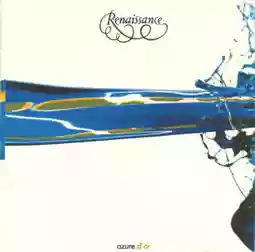
Renaissance traversed the entire 1970s defining a sound very close to classical music, often citing Russian and Eastern European composers, but also mixing medieval motifs, folk, and in the later period, pop. The most symbolic albums of their style are the early ones, with "Ashes Are Burning" above all, but this "Azur D’Or" from 1979 introduced me to the band and, even if it belongs to their later production, it still strongly expresses the typical sound of the group, with some pleasant pop adjustments here and there in the tracks.
The beginning is entrusted to "Jekyll And Hide", a lively, fast track with perfect synth arrangements, and Haslam's voice splendidly does the rest. The lyrics are written by the band’s historic lyricist, the English poet Betty Thatcher. With a nice bass with mutable tones, "The Winter Tree" opens, musical perfection, just a beautiful song, with Haslam's crystal voice always crucial for the final result of the track.
Camp, the bassist, also signs the delightful "Only Angels Have Wings", musically supported solely by synthesizers and sung by the bassist himself. Renaissance excels in tracks like "Friends", "Secret Mission", and "Forever Changing", where they skillfully blend their preference for classical melody with a calibrated use of pop, for example, the choirs or the electric guitar, which hasn’t been played in their work since 1972, thus maintaining the use of the 12-string and expansive atmospheres, never too easy, and in the final track, "The Flood At Lyons", the group is still capable of reaching magnificent heights, Annie's voice in the chorus gives you chills.
Their activity would continue for a few more years until 1983 with the release of "Time Line", but right after "Azur D'Or", they lost their best streak and shifted to simpler pop. They are not very famous, but for those who know prog and rock in general, they are well-known, especially in the USA and Northern Europe, a bit less in Italy, but it's time to rectify that.
Loading comments slowly
Summary by Bot
Azure D'Or (1979) by Renaissance showcases Annie Haslam's remarkable soprano and the band's blend of classical motifs and prog rock. The album features dynamic synth arrangements and poetic lyrics by Betty Thatcher. While from their later period, it retains the distinctive Renaissance sound with some pop touches. The review highlights tracks like "Jekyll And Hide" and "The Flood At Lyons," praising the band's musical perfection and vocal expressiveness. Renaissance remains a respected name in prog rock, particularly in the USA and Europe.Tracklist
Renaissance
Renaissance are an English progressive/symphonic rock band noted in these reviews for classical-leaning compositions, piano-forward arrangements, and the defining soprano voice of Annie Haslam. Their best-regarded period centers on the early-to-mid 1970s albums Prologue, Ashes Are Burning, Turn of the Cards, and Scheherazade and Other Stories, with later work moving toward more pop-adjacent sounds.12 Reviews
