
 •
Rating:
•
Rating:
THE REVIEW
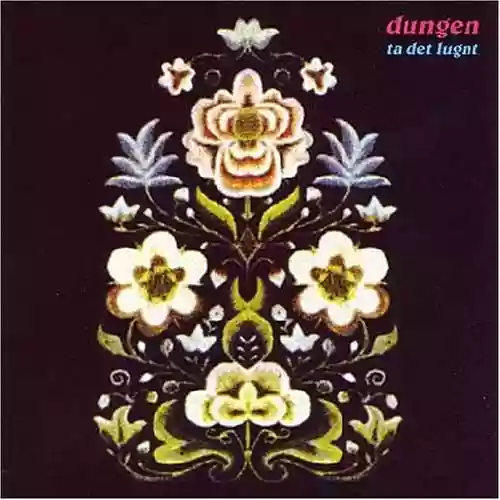
For some years now, the role of magazines in anticipating new trends and musical directions seems to be irreparably waning, overshadowed and overtaken by the massive (and free) presence of multiple websites, rampant file sharing, and the millions of blogs that open every day. On one hand, sites, blogs, and fellow writers provide the music enthusiast with a multifaceted point of view, free from economic constraints, towards the myriad of offers present in today’s congested musical landscape (a bit like the role that fanzines had until the late '80s), but on the other hand, they disorient precisely because of their variety, both in value and judgment. Moreover, I personally add, they undermine the tactile charm of the written word, replacing it with the emptiness of the liquid crystal screen. Nowadays it is thanks to online word of mouth that obscure bands manage to carve out the famous 15 minutes of fame, see Clap Your Hands And Say Yeah and the latest (supposed) next big thing, the Arctic Monkeys. Such a fate has befallen the Swedes Dungen, who have caught the attention of the influential webzine Pitchforkmedia. While not having discovered a group that will change the history of music, the folks at Pitchfork have succeeded in making known a band whose choice to sing only in Scandinavian would have made them absolutely unsellable outside of their native soil.
The alchemy of Dungen rests on solid instrumental technical bases, which allow the band to cover a wide spectrum of musical influences, dating between the late '60s and early '70s, with some occasion of later diachronic ventures. "Ta Det Lugnt" alternates, with a progressive ethic (in the positive and proactive sense of the term), pop moments à la Pet Sounds, hard rock accelerations à la May Blitz, psychedelic ramblings brimming with liquid guitars and space keyboards, often centrifuged within the same track ("Panda" and the unpronounceable fourth track). Also noteworthy is the kaleidoscopic title track, with organ and fuzz guitar in the foreground and a psychedelic jazz outro based on sax; the pressing and percussive "Bortglömd" and the equally unpronounceable tracks 6 and 7, excellent instrumentals between the Pink Floyd of Umma Gumma and the Motorpsycho of Let Them Eat Cake.
The effect of the native language singing might be a hurdle, but if for you diareses, dots on the A's and banned O's aren’t a problem, and your favorite shoes are Clark's, this record will fit you perfectly.
Loading comments slowly
Summary by Bot
Dungen's album Ta Det Lugnt is praised for its rich fusion of late '60s and early '70s psychedelic and progressive rock. The band’s choice to sing in Swedish is noted as a potential barrier but adds unique charm. The review highlights the album's intricate instrumentals and vintage influences, recommending it to fans of diverse psychedelic sounds and instrumental mastery.Tracklist Lyrics Videos
Dungen
Dungen are a Swedish psychedelic rock group formed by multi-instrumentalist Gustav Ejstes in the late 1990s. Blending 60s/70s psych, prog, folk, and jazz elements—often sung in Swedish—they broke through internationally with Ta det lugnt (2004) and have continued with acclaimed releases including Tio bitar, Skit i allt, and the instrumental soundtrack Häxan.05 Reviews
