
 •
Rating:
•
Rating:
THE REVIEW
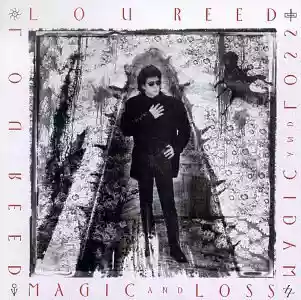
After creating the metropolitan masterpiece of the eighties and reuniting with John Cale for Andy Warhol's epitaph, Lou Reed releases an album centered on the fragility of existence and loss, dedicating it to the memory of two people (musician Doc Pomus and friend Rita) who died within two years from incurable illnesses.
The importance of the themes addressed is indicated by the translation of the lyrics into various languages. The lyrics confront the theme of death without any coyness and are accompanied by sparse arrangements intended to let us partake in the artist's feelings (who, incidentally, decided to perform these pieces mainly in theaters). The album starts with the spectral "Dorita" and continues with a reflection on life in the rhythmic "What's Good"; the artist describes his experience in "Power and Glory" in which the voices and echoes perfectly depict the drama that leads to "Magician", an extraordinary piece that brings us back to certain atmospheres of "Berlin". "Sword Of Damocles" describes Reed's awareness of having surpassed moments when death was forthcoming and introduces the funeral pace of "Goodby Mass" and the painful and "cyclical" voice of "Cremation and Dreamin'". The folk cadence of "No Chance" and the rock tone of "Warrior King" are in perfect symbiosis with the lyrics and anticipate the utter despair that permeates "Harry's Circumcision", while listening to "Gassed and Stocked" feels like witnessing the explosion of telephone wires.
The album finds its worthy conclusion (after the electric transfiguration of "Power and Glory, Pt. 2") in the stunning title track that rightfully joins the ranks of the best songs-poetry in the history of popular music (especially stunning is the final phrase that encapsulates the entire work: "There is a bit of magic in everything and then some loss to even things out"). Ultimately, this album concludes an ideal trilogy of death, demonstrating once again how Lou Reed is one of the most refined poets in American history.
Loading comments slowly
Summary by Bot
Lou Reed’s album 'Magic and Loss' is a profound reflection on mortality and grief, dedicated to two lost loved ones. With sparse musical arrangements, the album highlights Reed’s poetic lyrics and emotional depth. The review praises the album as a powerful conclusion to a thematic trilogy on death and solidifies Reed’s status as a refined American poet. Key tracks convey a spectrum of feelings from despair to acceptance, culminating in a haunting title track.Tracklist Lyrics
02 What's Good (The Thesis) (03:22)
03 Power and Glory (The Situation) (04:23)
04 Magician (Internally) (06:23)
05 Sword of Damocles (Externally) (03:42)
06 Goodby Mass (In a Chapel Bodily Termination) (04:25)
07 Cremation (Ashes to Ashes) (02:54)
11 Harry's Circumcision (Reverie Gone Astray) (05:29)
12 Gassed and Stoked (Loss) (04:18)
13 Power and Glory, Part II (Magic Transformation) (02:57)
14 Magic and Loss (The Summation) (06:39)
Lou Reed
Lou Reed (born Lewis Allan Reed, March 2, 1942 – October 27, 2013) was an American musician, singer-songwriter and founding member of the Velvet Underground. He had a long solo career noted for albums such as Transformer, Berlin and New York and for experimental works including Metal Machine Music.71 Reviews
