 •
Rating:
•
Rating:
THE REVIEW
Emily Haines is a glacial Canadian beauty born 32 years ago. Until the explosion of the indie (broken social) scene in Toronto and its surroundings, her fame was tied to a mere family connection.
Her father, Paul, was the author of the lyrics for two significant recordings by Ms. Carla Bley such as 'Escalator Over The Hill' (1968) and 'Tropical Appetites' (1973). The incursion into the second full-length work of BSS ('You Forgot It In People', 2002), when she lent invigorating pop high notes to an "anthem for an old seventeen-year-old girl", stole the show.
Metric was born, with elements put together like Lego blocks, driven by an electro-funky rhythm and the frighteningly captivating voice of Haines' daughter. Two albums in 36 months, full of dance-flavored jabs and techno-pop bursts: then, suddenly, from a deeply buried psychic Pandora’s box, the blonde has let out 11 sonatas for piano and violin, delicate and light as a twig.
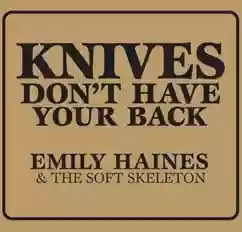
Over 45 minutes in downtempo, oscillating between Fiona Apple and Tori Amos, Morricone and Neil Young. An introspective, dreamlike, ethereal and at the same time disturbing journey: a nocturnal trepanation of the senses, marked by the keys of a classical and composed piano, accompanied at times by shy bass and striking strings. Listening to 'Knives Don't Have Your Back', her solo debut, is not easy, or at least not immediate. It appears flat, monotonous at the limits of creativity. Yet all it takes is to give it an extra dose of patience and suddenly Wurlitzer, synthesizers, slide guitars, and mystical horns appear, reviving memories of Beth Gibbons' chromatic challenges at the times of Portishead and of that "Sour Times" performed live at the Roseland in NYC.
Ghostly, suffocating, desperate. The dark side of Emily Haines.
Loading comments slowly
Summary by Bot
Emily Haines' solo debut 'Knives Don't Have Your Back' is an introspective and ethereal journey marked by piano, violin, and haunting vocals. The album contrasts with her work in Metric by exploring a darker, more subtle sound. While initially challenging, the album rewards patient listeners with rich layers reminiscent of Fiona Apple and Portishead. This work unveils a ghostly and desperate side of Haines, highlighting her versatility and emotional depth.Tracklist Lyrics Videos
Emily Haines & The Soft Skeleton
Emily Haines & The Soft Skeleton is the solo project of Canadian singer-songwriter Emily Haines (lead vocalist of Metric). The project is known for piano-led, introspective releases including Knives Don’t Have Your Back (2006), the EP What Is Free to a Good Home? (2007), and Choir Of The Mind (2017). Haines has also collaborated with Broken Social Scene.02 Reviews
Other reviews
By fosca
There’s nothing amiss in the arrangement, not a comma on the staff, not a smudge in Emily’s intense voice, a voice seemingly thin, but capable of carving tunnels in the listener’s stomach.
Everything becomes rarefied, the passing of time ceases to exist as conceived and constructed by our ancestors, there is no place or matter that remains as we know it.
