
 •
Rating:
•
Rating:
THE REVIEW
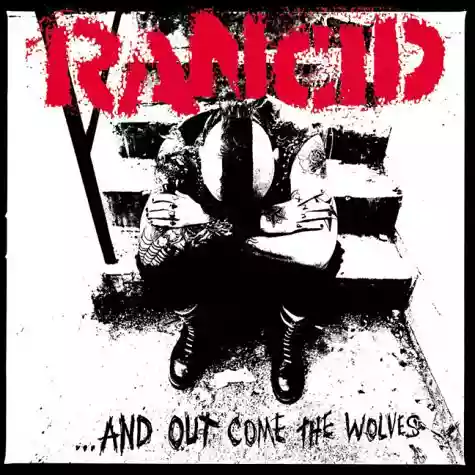
In 1995, "...And Out Come The Wolves" was released, marking the definitive rise of Rancid on the punk scene, granting them significant visibility in terms of sales.
Originally from Berkeley, the "Rolling Stones of Gilman St." have distanced themselves from Californian punk-rock since their inception to instead "take inspiration" from the British sound. I was still young at the time, so I listened to this album only some time later, during a student strike morning, in my junior year of high school.
Reviewing this album, through the eyes (and ears) of today, would involve some anachronistic difficulty, so I will attempt to do so based on the emotional memories of then and not on current musical maturity (?). At that time, I was in the midst of my pseudo-punk phase, and so the first track "Maxwell Murder" with its epileptic bass solo, left me pleasantly confused, while the rhythm of "The 11th Hour" in a Clash-like march prepared the ground for the pogo of "Roots Radicals". The jolly sortie of "Time Bomb" offers a moment of respite, thus uncovering the band's ska roots, whose founding leaders, Tim Armstrong and Matt Freeman, were actually part of Operation Ivy, a historic Californian ska core band.
We then arrive at the wonderful "Olympia WA" a song about desolation, of loneliness amidst the bustling of people around, seasoned with the right dose of punk rebellion that garners the sincere approval of any adolescent's angst. The subsequent tracks flow beneath the skin before exploding in "Ruby Soho" and, especially, in "Journey To The End Of The East Bay": an evocative song, even after time, which indirectly stirs a desire to press on, to get lost, to tell a lot of things to shove it and move on with one's ideas, all in all... "Old Friend" with its melancholic aftertaste, caressed in its own way by the distinctive voice of "Lint" Armstrong, leads the album into its final beats, where "The Wars End" aptly echoes the bitter reflections of a teenager in his room.
An album that strikes the right emotional chords and that accompanies in the background the capricious adolescent woes, involving them in a precise direction of release; an album that, when listened to again after some time, associates the memories of a period with a nostalgic (and melancholic) smile.
Loading comments slowly
Summary by Bot
The review reflects on Rancid’s 1995 album ...And Out Come The Wolves as a defining moment in punk rock, highlighting its blend of British punk inspiration and ska roots. The album evokes strong adolescent emotions and nostalgia, with standout tracks like 'Ruby Soho' and 'Journey To The End Of The East Bay'. The reviewer appreciates the album's ability to resonate with youthful rebellion and personal memories even years later.
Rancid
Rancid is an American punk band from Berkeley, frequently discussed in reviews for blending punk rock with ska and reggae elements and for comparisons (favorable and hostile) to The Clash.12 Reviews
Other reviews
By cretinalbo88
Considered a myth, for me it is one of the most nerve-wracking albums in punk rock history.
Throwing in a couple of ska stanzas here and there does not mean experimenting.
