
 •
Rating:
•
Rating:
THE REVIEW
What sense does it make for The Ramones to release another album in 1995, while everyone is talking about punk again and plenty of kids swear that the genre was invented by Green Day? The days of photos on the back of CBGB's are two decades past, and their three chords played at hyperbolic speeds from that era are no longer enough. Moreover, losing Dee Dee along the way, who was too attached to drug stories on 53rd & 3rd, was a blow too hard for the Ramone brand, and sales are lagging.
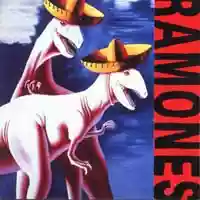
The albums from the late eighties, despite the lavish production that doesn't quite jibe with their spartan style, have shown a frightening lack of material of significant substance, and even the hit "Pet Semetary" driven by Stephen King's movie isn't enough to regain inspiration. In short, there's a sense of winding down in this ironically titled album right from the cover, with those dinosaurs that witness the poignant consistency of retracing the steps of an extraordinary past that now sees them heading towards extinction. So there is also a need for old Dee Dee's writing to make people understand how important a testimony from these prehistoric survivors is at a time when young bands, thanks to MTV, can reach the top of the charts selling punk even to the wealthy yuppies who weren't even born in '77.
It's no coincidence that the best moment of the album is the cover of a Tom Waits tune "I Don't Want to Grow Up", which is a bit of a manifesto for their career: I don't want to grow up. Thus the usual sequence of tracks ranging from two to three minutes that recall the old stories of the best years of their lives, like the other beautiful cover, "I Love You", by another splendid loser of the extinct New York fauna: Johnny Thunders (R.I.P.). After all, the formula of gabba gabba hey is always the same: breathtaking rhythm and easy melody.
In this album, the brothers perform much better than their recent efforts; they seem to be saying to the likes of Offspring, Green Day, Rancid: we are the Ramones, learn.
Loading comments slowly
Summary by Bot
¡Adios Amigos! marks the Ramones' last studio effort amid shifting punk landscapes and the loss of Dee Dee Ramone. The album blends nostalgia and spirited performances, highlighted by covers of Tom Waits and Johnny Thunders. Despite diminished mainstream impact, the Ramones reaffirm their influence over younger punk bands with consistent energy and style.
Ramones
Ramones were an American punk rock band formed in Queens, New York, in 1974 by Joey Ramone, Johnny Ramone, Dee Dee Ramone, and Tommy Ramone. They helped define punk’s sound and look with ultra-fast songs, downstrokes, and leather-jacket iconography. After relentless touring and 14 studio albums, they disbanded in 1996 and were inducted into the Rock and Roll Hall of Fame in 2002.43 Reviews
