
 •
Rating:
•
Rating:
THE REVIEW
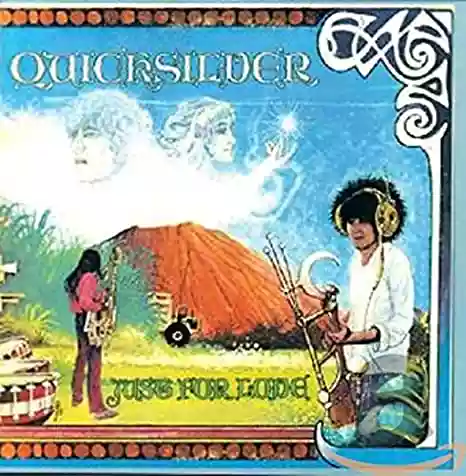
"Just For Love", the fourth chapter in the discography of Quicksilver Messenger Service, was released in August 1970 and marks the return of two founding members: Gary Duncan and Dino Valenti, respectively guitarist and lead vocalist. The album represents part of the transition process from spontaneous blues, based on improvisation, to a more rock-focused sound while still being loaded with psychedelic references.
The album opens with "Wolf Run (Part 1)", an intro characterized by some flute phrases that introduce the atmosphere of the entire record. "Just For Love (Part 1)" is a skillful harmonic composition that plays on a delicate piano and acoustic guitar accompaniment, crafted with a rather somber but fitting arrangement. "Cobra" could easily belong to "Happy Trails", dominated by a splendid blues guitar that puts the excellent Gary Duncan in the spotlight. "The Hat" reaches one of the peaks of the entire release, once again a blues but this time primarily in an acoustic key, with an incredible performance on the electric piano by Nicky Hopkins, at times with almost Honky Tonk hints. "Freeway Flyer" flows with its standard blues rock while "Gone Again" seems to reprise the mood of "Just For Love (Part 1)" but expands the instrumental parts, as always impeccable.
Next comes "Fresh Air", a song that needs no introduction, listened to and re-listened to by generations, which belatedly taps into that chart-topping psychedelic rock, accessible to everyone. The song, built on a classic minor scale, somewhat recalls the sound of Santana and received significant airplay, becoming the band's most successful single. "Just For Love (Part 2)" represents the final theme of its first part, somewhat echoing the pattern seen in "Happy Trails", which also occurs with "Wolf Run (Part 2)" that closes the album with its flute phrases, this time rather sinister compared to the introduction.
"Just For Love" represents, along with "Happy Trails", the greatest commercial success of the San Francisco band and would also mark the beginning of the end, followed by less brilliant releases with poor sales results. According to the writer, this album completes the trilogy of must-have productions by Quicksilver Messenger Service, along with the self-titled debut and the seminal and never too recognized "Happy Trails".
Loading comments slowly
Summary by Bot
Released in 1970, 'Just for Love' marks the return of Gary Duncan and Dino Valenti, moving Quicksilver Messenger Service from improvisational blues to a more rock-focused sound with psychedelic touches. Key tracks like 'Fresh Air' became hits, and the album stands alongside 'Happy Trails' as a commercial and artistic high point. The record blends blues, rock, and psychedelia with notable instrumental performances.Tracklist Lyrics Videos
Quicksilver Messenger Service
Quicksilver Messenger Service are an American psychedelic rock band from San Francisco, famed for the dual-guitar interplay of John Cipollina and Gary Duncan, expansive improvisations, and a run of pivotal late-’60s/early-’70s albums. Happy Trails (1969) is widely acclaimed, Shady Grove (1969) features Nicky Hopkins on keys, and Just for Love (1970) includes their hit single Fresh Air.04 Reviews
