
 •
Rating:
•
Rating: THE REVIEW
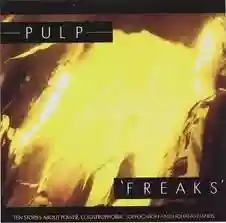
I am truly surprised to discover that on Debaser no one has ever written a review about this album, perhaps because it is too little known or perhaps because it is an atypical episode for the band from Sheffield. That it isn't a particularly cheerful album is evident right from the cover, which at the bottom bears the inscription: "Ten stories about claustrophobia, suffocation and holding hands." This album is a sick, slimy, paranoid, anxious journey... There would be a thousand other adjectives to describe it, but one cannot fully understand it unless they listen to it.
The album opens with "Fairground", a piece that could be a leftover from Zappa's Hot Rats, surreal, grotesque. The track maintains a restless calm until halfway through, where it explodes in a boisterous laugh of grand-guignolesque and Marinetti-esque descent: "And the man at the side of me start a lewd laugh...AHAHAAHAHA" only to return "calm" as before. It continues with "The Never Ending Story" (no, it's not about the abnormal dog and the hero boy, let's leave those things to Lihamal) with orchestral accompaniment, a voice that gets into your head... here Jarvis Cocker crowns himself "king of his own nothing" and demonstrates a fierce yet perverse attitude to grotesque farce. The next "I Want You" relies on a very intimate and confidential crooning, blooming into a very polished "soul" chorus that might evoke the atmospheres of their first album "It". "Being Followed Home" reaffirms this album's tendency to open to the listener mutable and detailed soundscapes upon which Jarvis's unmistakable voice rests. "There Is No Emotion" is perhaps the weakest track on the entire album, Cocker looks in the mirror at his solitude and dons the guise of a listless and swaying Elvis or Sinatra at the end of his career, Jarvis transposes into a deliberately arid musical texture pervaded by a pallor to say the least cadaverous. And here, gentlemen, the curtain falls with one of the most beautiful pieces written by Pulp: "They Suffocate At Night". The song takes up the melodramatic singing typical of French chansonniers and transposes it into a arid new wave, post-punk climate, with a dry violin and a minimalist rhythmic base. Cocker embodies a paranoid, phobic, and cadaverous Serge Gainsbourg.
What to say? An album too much but too much underrated... recommended to all lovers of dark, gothic rock, even though Pulp does not belong to this genre. To complement the listening material, I recommend the collection "Masters Of The Universe" with all the singles from the period (not appeared on any album) among which the splendid "Aborigine", a tribal psychodrama ala Fall, stands out.
Loading comments slowly
Summary by Bot
Pulp's 'Freaks' is an atypical and underrated album marked by claustrophobic and anxious themes. The review highlights its dark, gothic rock style and Jarvis Cocker's intense vocals. Each track is explored for its unique atmosphere, from surreal to melancholic. The album is recommended for lovers of dark and post-punk music. A complementary collection, 'Masters Of The Universe', is also suggested.Tracklist Lyrics Videos
Pulp
Pulp are an English rock band from Sheffield, associated with the Britpop era and fronted by Jarvis Cocker. After years in relative obscurity, they reached major success in the mid-1990s with albums such as Different Class, followed by darker, more adult work like This Is Hardcore.13 Reviews
