 •
Rating:
•
Rating:
THE REVIEW
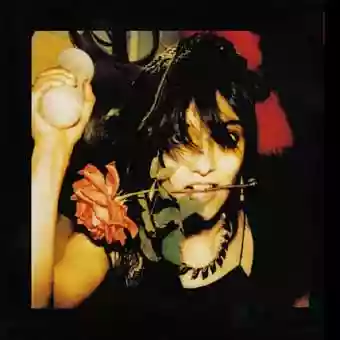
In 1981, after the departure of Jah Wobble, and after appointing the new drummer Martin Atkins in place of Tim Walker, the P.i.l. of John Lydon released "Flowers Of Romance," an album of suffocating anguish. No more disco-funk rhythms, no more dub low frequencies, the conceived music surprises with how bare and skeletal it is: the third album of the English band is almost entirely based on the sinister combination of Atkins' wild percussion and Lydon's harrowing vocals, with widespread ethnic, industrial, and electronic clangor contaminations.
Everything is clear from the start, with the claustrophobic "Four Enclosed Walls", with a stuttering and resounding drum that serves as the only accompaniment to Lydon's laments ("only ending is easy / burn, burn, burn"). Chilling. The second track, "Track 8" is a dizzying vortex where the drum keeps an odd time continuously and all other instruments obsessively play the same note. But from the third track onward, the ethnic and experimental vein adopted by the band in this album becomes evident: "Phenagen" – which borrows its name from a brand of psychotropic drugs – is a march to the sound of Far Eastern drums, bells, and Chinese strings. Religious rites and dragons at the foot of a pagoda come to mind, while Lydon recites the following words: "Empty promises help to forget / no more, no more / repair the damage you made / amen amen." Empty promises, forgetfulness, damage. Dark and alienated lyrics, because that is what P.i.l. was.
The Sex Pistols and the '77 punk were a spit in the face of the system, a rejection for its own sake, driven by the simple inability to accept any scheme or order. P.i.l. did something entirely different: the aim was no longer on the system; their music was an unmerciful look inside themselves, and all that the eye could discern was despair, apathy, isolation, pain. And the way they chose to express these feelings was among the most original of the time. Already the previous "Metal Box" (or "Second Edition") was a cavernous abyss in the psyche, but with "Flowers Of Romance" P.i.l. perhaps reached their creative peak, just listen to the track that gives the album its name, a Native American dance torn by the cries of an electric violin, or "Under The House": a spectral text ("it came out of the wall / a single cadaver / it went under the house / scream in the trees / under the moon"), obsessive tribalisms and gothic orchestral gusts. The same gusts present in the instrumental "Hymie's Him", with Bali percussion and an agonizing drum that always seems to give the final beat, but continues unrelentingly. But perhaps the best track on the record is "Banging The Door": a paranoid march pervaded by a dull and gloomy background noise, that sneaks into the track like a sick and dark fog penetrates a room from under the door.
Still a track, the anemic and rhythmic "Go Back" to reach the concluding final delirium, "Francis Massacre", anarchic and shocking, without rhythm, without order; just chaos, noises and hysterical screams; last act of a disturbing experience.
Loading comments slowly
Summary by Bot
Public Image Ltd's 1981 album Flowers Of Romance marks a departure from funk rhythms to a bare, experimental sound dominated by wild percussion and harrowing vocals. The album evokes feelings of despair, isolation, and apathy through tribal drums, industrial clangs, and haunting melodies. It represents the band's creative peak with standout tracks like "Banging The Door" and the title track. The record is a disturbing but original artistic expression of inner turmoil.
Public Image Ltd.
Public Image Ltd. (PiL) is an English post-punk band formed in 1978 by John Lydon after the Sex Pistols, known for dub-influenced bass, stark minimalism, and highly experimental approaches that later expanded into pop-rock and electronic-adjacent styles.18 Reviews
