 •
Rating:
•
Rating:
THE REVIEW
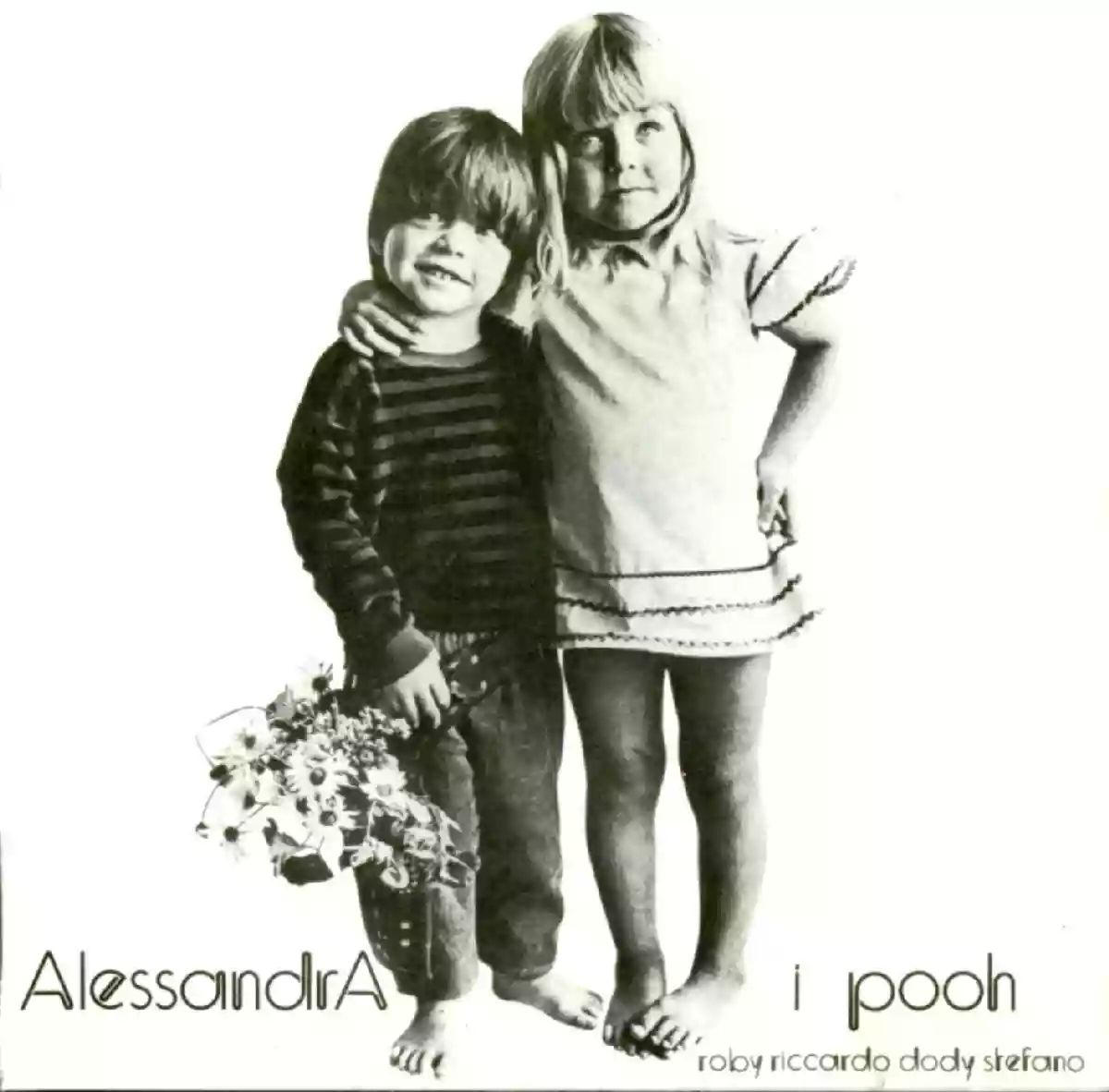
"Alessandra" is one of the best albums by the Pooh. Without a doubt. That said, let's explain why.
It's 1972, and only a few months have passed since Negrini left the band, although he still remained very much with them, spending entire days with the group, Lucariello, and Gianfranco Monaldi writing lyrics upon lyrics. After the success of the previous year's singles, the Pooh were called to establish themselves with a successful LP as well, since "Opera Prima" only reached the 13th position on the charts. Alessandra is the complete sum of Lucariello's vision of the group, both from the standpoint of melody and lyrics. For the first and only time, he managed to ensure that the album featured ONLY love songs.
In the 12 tracks that make up the album, everything revolves around love, whether it's happy or unhappy, free or hindered by internal factors (such as family) or external ones (like betrayals). There were tensions within the group during the recording of the album. Riccardo Fogli had unfortunately become (in my very humble opinion) increasingly more of an alien body within the group, feeling like a leader blocked by Lucariello's insistence that EVERYONE sing and have their space. Despite this, the album turned out really well, with many peaks ("La nostra età difficile", "Cosa si può dire di te", "Alessandra" to name a few) and only a few songs slightly less rich in emotion compared to the others, like "Io in una storia" (the first song that sees Dodi Battaglia as an author) or "Quando una lei va via". As Lucariello desired, everyone shared the singing parts: Riccardo is the lead voice in "Nascerò con te", "Col tempo, con l'età e nel vento", "Donna al buio bambina al sole" and "Alessandra"; Dodi in "Noi due nel mondo e nell'anima", "Io in una storia", and "Signora", while Roby Facchinetti, for the first time since "Fata della luna" of '69, showcases his vocal power, being the lead voice in "Mio padre una sera" and "Cosa si può dire di te". In the remaining "La nostra età difficile", "Via lei via io" and "Quando una lei va via", all three sing, either in chorus or each in their respective verses.
It's the last album with the Pooh for Riccardo, who in '72, during the tour with the album "Parsifal" already in preparation, on Patty Pravo's advice (they had a relationship), left the Pooh, who were about to enter the best phase of their history with albums like Parsifal and Un po' del nostro tempo migliore, even surpassing Lucio Battisti in sales for a solo career that really gave him very few satisfactions (except for the Sanremo Festival '82). Needless to say who lost out. In my modest opinion, both, as I would have never replaced Riccardo with Red Canzian (despite my great respect for him). The review has come to an end, I hope I have motivated you to listen to a truly beautiful album, despite being, I believe, the only one not to have even a solo by Dodi, since the electric guitar is only used in a couple of tracks. However, Monaldi's orchestra does an excellent job. I hope you like it. If you are going to leave comments containing insults, please refrain from doing so.
Ps. You can give 2 ratings, one for the review, one for the album. If you don't like the album, don't give a 1 to the review and vice versa. If you give a 1, at least provide a reason and don't just say "The Pooh suck, bleah" and similar things. Otherwise, your comment will not be relevant at all.
Loading comments slowly
Summary by Bot
Alessandra, released in 1972 by Pooh, is praised as one of their best albums, uniquely featuring only love songs. Despite internal tensions, the album highlights vocal contributions from all members and stands out for its emotional lyrics and orchestration. It marks the final Pooh album with Riccardo Fogli, who was a key voice. The review encourages listeners to appreciate this heartfelt and melodic work.Tracklist Lyrics Videos
01 La nostra età difficile (03:55)
03 Mio padre, una sera (04:31)
04 Nascerò con te (04:26)
05 Io in una storia (03:39)
06 Col tempo, con l'età e nel vento (04:35)
07 Signora (03:15)
08 Cosa si può dire di te? (04:08)
09 Via lei, via io (03:00)
10 Donna al buio, bambina al sole (04:50)
11 Quando una lei va via (03:13)
Pooh
Italian pop/rock band formed in 1966, noted for melodic harmonies, symphonic/prog experiments in the 1970s and a long commercial career.60 Reviews
