
 •
Rating:
•
Rating:
THE REVIEW
The common denominator that initially linked Peter Gabriel, Tony Banks, and Mike Rutherford, and later Phil Collins, was their shared passion for black music, especially the sounds of Motown. You can sense a hint of these sounds in some moments of "From Genesis To Revelation," the naive and ambitious debut of a band of teenagers. In the "adult" Genesis, these influences almost completely disappear, except they resurface in the early '80s, first in "Duke" with the superb "Behind The Lines" and then in "Abacab" with "No Reply At All" and "Paperlate", small concessions by the band to their most genuine tastes.
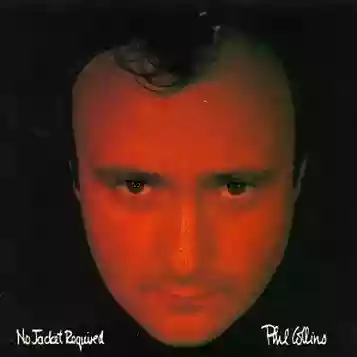
Phil Collins unexpectedly revisits the music he grew up with, creating some of the most famous tracks of his solo career, from the timid debut with "Face Value," which later enjoyed incredible success. "No Jacket Required" was released in 1985 with Genesis on break after the "Mama Tour." The album, from its title, aims to be unpretentious, a work where no "jacket is required" from the listener. Another bestseller from the good Phil, "No Jacket Required" is a carefree, easy album that is appreciated for its pure catchiness. Unfortunately, it begins with "Sussudio", a great success but a bland and chaotic track characterized by a heavy synth bass base and adorned with brass; it aims to be a black song but is exhausting, and even Collins considers it one of his worst pieces. With "Only You Know And I Know" the danceable atmospheres improve significantly, and the trend continues with "Don't Lose My Number" and especially with the beautiful "Doesn't Anybody Stay Together Anymore", written with the half-time Genesis member Daryl Stuermer. Some of the best moments are entrusted to the ballads, particularly the jewel "A Long Long Way To Go", with rarefied atmospheres that open up to a very warm and enveloping reprise sung with Sting.
"One More Night" and "Inside Out" are other moments to remember, as is the closing with friend Peter Gabriel in "Take Me Home".
The following year for Genesis would bring "Invisible Touch". In this "No Jacket Required," there is no trace of it, even though Collins and Hugh Padgham are present in the production, a tangible sign that the responsibility for the plastic sound of that record should be sought elsewhere. Unfortunately, even if it seems heretical to say, the main suspect is Tony Banks.
Loading comments slowly
Summary by Bot
No Jacket Required showcases Phil Collins revisiting his Motown influences with a blend of catchy pop and soulful ballads. While some tracks like 'Sussudio' feel chaotic and are regarded as weaker points, the album features memorable moments including collaborations with Sting and Peter Gabriel. Released during a Genesis hiatus, it offers a carefree, accessible sound, though some production choices divide opinions.
Phil Collins
Phil Collins is an English drummer, singer, songwriter and producer. After joining Genesis in 1970, he became the band’s lead vocalist and later launched a massively successful solo career with hits like In the Air Tonight and Another Day in Paradise. He has won multiple Grammy Awards and an Academy Award for You'll Be in My Heart.06 Reviews
