
 •
Rating:
•
Rating:
THE REVIEW
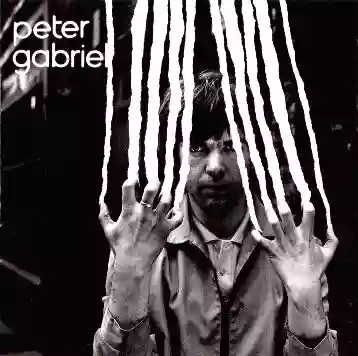
Peter Gabriel II (1978), also known by the title Scratch due to the cover illustration, is one of the most underrated works of the former Genesis leader.
A first change from his first solo work is the departure of producer Bob Ezrin. In his place, we find nothing less than the soul of King Crimson, Robert Fripp, who also takes on the role of guitarist.
With this move, the theatrical setting and the apocalyptic sound come to an end (as examples were Moribund The Burgermeister, Slowburn, Here Comes The Flood. . . ) in favor of a more dry and existential approach.
The first song we encounter is the excellent On The Air, already known to Gabriel's admirers: in fact, it was presented in the last stages of the ''Peter Gabriel I (Car)'' tour. A very hard track, where Fripp's guitar and a synth carpet stand out, it is the last one featuring Mozo, one of the imaginary characters created by the artist. . . and perhaps the most famous after Rael from ''The Lamb Lies Down On Broadway''. The excellent level continues with D. I. Y. (acronym of Do It Yourself), a piece that makes repetition its strength.
Mother Of Violence is a slow melancholy track for acoustic guitar and piano. The tone of voice used well conveys the pessimism and dark atmospheres of the text: << It's getting hard to breathe / It's getting so hard to believe / To believe in anything at all>>
After reaching the first emotional climax, the ex-Genesis frontman breaks the rhythm by inserting a cheerful song (although it is only an apparent cheerfulness): it is A Wonderful Day In A One-Way World. . . but it's just a moment, and we are immediately immersed in the evocative White Shadow: moderate rhythm, hypnotic atmospheres, and a Robert Fripp solo as only he can do, making it one of the most interesting pieces of the entire album. Another highlight is the following Indigo, which goes straight to the heart and represents a marked improvement over the version presented in 1977 under the title Song Without Words.
Another carefree break, Animal Magic, introduces us to the most eccentric, gloomy, and dark track at the edge of paranoia: it is Exposure, a sign of the deepest collaboration between Fripp and Gabriel. Even the text, consisting of the three lines << Space is what I need / It's what I feed on / [... ] Out in the open>> and the compulsive repetition of the title (using a tone that, gradually, becomes increasingly estranged and alienated), well conveys the idea of total unease.
Following are the melodious Floatsam And Jetsam (which aligns with the trend of Mother Of Violence and Indigo) and the pop gem Perspective. The latter was born with the precise purpose of becoming a hit: in fact, we can find it on the B-side of the 45 RPM ''D. I. Y/Perspective''. However, it will be D. I. Y. , offered in a slightly different mix, that becomes famous.
To conclude, Gabriel plays the melancholy card again with Home Sweet Home: a brilliant piece where voice and saxophone duet wonderfully, giving the whole a truly moving atmosphere. . . << Just a place to lay our head think of all those things we said / about in our home sweet home>>
Having finished describing the CD, I would also like to spend a couple more lines reevaluating this album. . .
During the ''Peter Gabriel II'' (1978-79) tour, I Don't Remember, Biko, No Self Control, and Not One Of Us were written and performed , which, properly finished and rearranged, will become the cornerstones of the subsequent masterpiece ''Peter Gabriel III''. . . evident sign of the creative drive present in this period.
Rating: 9/10 . . . for one of the albums that most often finds its way into my CD player.
To be re-listened and reevaluated. . .
Loading comments slowly
Summary by Bot
Peter Gabriel II, also known as Scratch, is a highly underrated 1978 album marked by Robert Fripp's influential production and guitar work. The album shifts from theatrical sound to a more dry, existential style, with standout tracks like On The Air, White Shadow, and Home Sweet Home. The reviewer praises its emotional depth and creative drive, rating it 9/10. The album is recommended for re-listening and reevaluation.Tracklist Lyrics Videos
Peter Gabriel
English singer-songwriter and former Genesis frontman who launched a solo career in the 1970s. Known for fusing rock, world music and electronic production; founder of Real World and co-founder of WOMAD; notable for landmark albums and film soundtracks.46 Reviews
Other reviews
By EverardBereguad
I confess to having a soft spot for this neither fish nor flesh Gabriel.
His masterful proof in the matter is available to all fans of madness: Peter Gabriel 3, but even in this honest work, you can find some proofs of high school.
