
 •
Rating:
•
Rating:
THE REVIEW
How to slap technology without experiencing a deep sense of bewilderment and fear. This is what Pere Ubu's albums are about: in that delirium of hallucinogenic keyboards, crooked guitars, drunken rhythms, and reckless vocal evolutions lies an abstract representation of the anxieties of the working-class culture.
Although devoid of political intentions, the band's work possesses, in addition to a biblically significant artistic stature, a strong and powerful sociological value: the utterly crazy lyrics saturated with the most fragmented Dadaism, the musique concrète artifacts that occasionally emerge from the art-punk magma of the band's sound, and Thomas's completely irregular and barrier-free approach to singing are symbolic elements that unequivocally suggest anxiety, terror, isolation, and a profound sense of non-belonging. Not mere revelry and surrealism for the sake of fun, but rather incredible tools for representing an alternative and parallel reality to the one in which our lives unfold: much more frightening than the physical one, that of the subconscious. Hidden fears, neuroses, doubts: all are mercilessly fused into a warped and inscrutable stream of sounds, with a high metaphorical value: jazz, noise, punk, psychedelia, everything becomes utterly unrecognizable and unreachable. Broken and staggering dances like "Navvy" or the drunken "Ubu Dance Party," abstract and mysterious ballads like the title track, the nightmare instrumental "Thriller!" (sampled voices, nerve-wracking rhythm, menacing bass, alien keyboards), and the garage rock fervor (always in their angular style) of "I Will Wait" paint the same picture with different shades, all crucial elements in Thomas's cabaret of alienation. Keyboardist Allen Ravenstine brilliantly showcases his whimsical and dazed touches, his mutterings, his drugged melodies, his "bursts" like a drunken concert pianist, as well as the very precise and no less creative bassist Tony Maimone, while Tom Herman on guitar dispenses pseudo-garage riffs and noise shards that perfectly complement David Thomas's absurd art of vocalism.
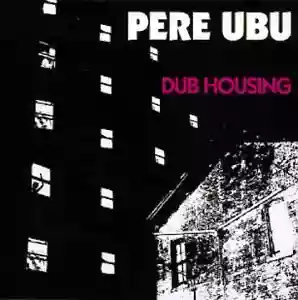
It's difficult to talk about accessibility when approaching such a work, but the essence of the Pere Ubu experience is not in the catchiness of the songs (sometimes just hinted at, more often absolutely absent) but rather in its allegorical and psychological quality: in a desolate post-industrial urban landscape made up of ruined buildings, lead-colored skies, and abandoned factories, a group of psychotic and desperate hooligans roams the identical streets in search of meaning in an existence lacking meaning from the start. A search that always seems to return to the starting point, a circular and apathetic motion curling in on itself. Music not personal but universal, not aimed at amusement but at intellectual and subtly emotional engagement. I would call it a masterpiece, but that's the same thing that appears in all the reviews of this album, so... well, I think you have no more doubts at this point. And don't be afraid of technology, Mr. David Thomas will teach you how to tame it.
Loading comments slowly
Summary by Bot
Pere Ubu's Dub Housing is an intense art-punk album that captures working-class anxiety through hallucinogenic keyboards, fractured guitars, and abstract lyrics. The band combines musique concrète, jazz, noise, and punk to create a psychologically rich and metaphorical soundscape. Vocalist David Thomas's unique style, along with the creative musicianship of Ravenstine, Maimone, and Herman, crafts a desperate, alienated atmosphere. This album transcends catchy melodies, offering a profound intellectual and emotional experience. It stands as a powerful masterpiece reflecting post-industrial desolation.Tracklist Lyrics Videos
Pere Ubu
Pere Ubu were an American rock band formed in Cleveland, Ohio, known for combining punk-era energy with avant-garde experimentation, noise, and electronics. Fronted by singer David Thomas, they became influential in post-punk and new wave, with The Modern Dance (1978) frequently cited as a defining work.11 Reviews
