
 •
Rating:
•
Rating:
THE REVIEW
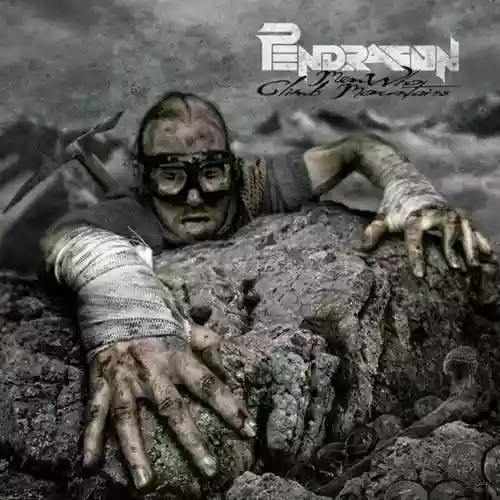
I don't know how many would put a Pendragon album in their year's top 3, a band that's certainly not renowned or in the media spotlight… But if the ranking is drawn up by a self-confessed progger, then it all becomes terribly normal!
Joking aside, Pendragon has released a truly brilliant and inspired album both for ideas and melodies. Known among the prog audience essentially as a neo-progressive band inspired by the '70s and '80s, they have had the courage to leave their past behind and reinvent themselves in the new millennium, producing albums even fresher and more inspired than those made in the past; after the symphonic, dreamy, and romantic neo-prog of the '90s, they attempted a more electroacoustic path with “Believe” and then moved towards a harsher sound with metal influences with the subsequent “Pure” and especially “Passion”.
“Men Who Climb Mountains” confirms the band's desire to experiment and refresh prog. The sound is always quite harsh and rich in new sounds; this time, however, they have tried to avoid the metal incursions and focus on contaminations close to the alternative rock of Radiohead and Anathema while still maintaining a dark sound at times even reminiscent of Tool. Nevertheless, there is a very heartfelt melodic vein, with really poignant openings, as well as a more or less recognizable Pink Floyd influence in certain moments.
The introduction is entrusted to “Belle Âme”, where the melody is immediately highlighted, thanks to brilliant guitar arpeggios and a subtle yet intense voice. It's just the prelude to the following “Beautiful Soul”, which not only translates its title into English but also reprises its refrain; here, however, the sounds are harsher, and there is a small space also for Clive Nolan's particular electronic sounds. “Come Home Jack” has a beautiful and long intro made of guitar with echo effects, delightful organ carpets vibrating in the central part, and even parts of guitar in full alternative rock style with almost grunge effects, if we want to exaggerate. “In Bardo” is more atmospheric and crystalline than ever, supported by its delicate keyboard line with Nolan adding precious “beeps”, as well as by delicate acoustic arpeggios; there is a beautiful distorted synth solo that for cadence and acidity almost brings to mind that of “Any Colour You Like” by Pink Floyd, as well as a beautifully shaded finale with piano and drum virtuosity (offered by the new member Craig Blundell).
Then comes the moment of the album that personally moves me the most: it is the excellent ballad “Faces of Light”, a track that seems more than ever indebted to the latest Anathema, both for its relatively simple piano and guitar lines as well as vocal lines, the presence of a female voice and its crescendo melody; personally, I would compare it to “Dreaming Light” but also found a resemblance with “Fix You” by Coldplay (impossible not to recognize such similarity in the central guitar attack but also the organ finale seems taken from there and moved to the end).
“Faces of Darkness”, on the other hand, presents a more aggressive sound but without exaggeration and electronic experiments that here reach their peak. “For When the Zombies Come” is more Radiohead-like than ever: those glided almost “whining” effects that permeate the track clearly recall “Subterranean Homesick Alien” from “OK Computer”.
“Explorers of the Infinite”, however, according to the undersigned, represents the lowest point of the album; an absolutely pleasant piece, it has a very good intro with very beautiful acoustic phrases and even a reverb that would make one think of a theremin (is it really a theremin???), but apart from the intro, the piece feels verbose, one almost gets the impression that the melodies revolve too much around themselves, repeating and resulting in being not very dynamic; it's not a mark against it, but more was expected from the longest piece of the album. An excellent closure with “Netherworld”, slow and relaxed, with soft keyboard carpets and once again vibrant organ carpets; here too there is the female voice and a light but acidic and rich solo synth effect.
Reaching the conclusion, we are definitely satisfied with the final product; an inspired album rich with interesting ideas that confirms the excellent moment of the British band. Truly one of the best prog releases of the year. And the amazing thing is that this moment of grace and inspiration of the band comes after thirty years of career played; in practice, Pendragon went from being in the '90s the classic example of a band generally criticized for being too indebted to old prog (which isn't even true) to being one of those bands refreshing the scene and also a promise for the prog of the future. Hats off!
2014 has been a really positive year for record releases, and we hope that 2015 will bring us more great records!
Loading comments slowly
Summary by Bot
Pendragon’s album 'Men Who Climb Mountains' is a bold and inspired work that successfully fuses classic neo-progressive rock with modern alternative influences. The band moves away from their past metal leanings, exploring fresh sounds while honoring their prog roots. Key tracks showcase rich melodies and heartfelt emotions, drawing comparisons to Radiohead, Pink Floyd, and Anathema. Despite a minor critique of one lengthy piece, the album confirms Pendragon’s role as innovators in the prog scene even after thirty years. Overall, it ranks among the best progressive releases of 2014.Tracklist Lyrics Videos
01 Edge of the World (06:11)
02 It's Only Me (04:58)
05 Faces. of Light (05:50)
06 Explorers. of the Infinite (11:09)
07 Netherworld. (05:47)
09 Freakshow (02:47)
10 Come. Home Jack (10:51)
11 For. When the Zombies Come (07:33)
12 Belle. Ame (03:15)
13 In. Bardo (04:52)
14 Beautiful. Soul (08:03)
15 Indigo (05:27)
16 Space Cadet (03:44)
17 Nostradamus (02:46)
18 Faces. of Darkness (06:25)
19 This Green & Pleasant Land (11:35)
Pendragon
Pendragon are a British progressive rock band described in the reviews as key players in neo-progressive rock, associated with a melodic, romantic, keyboard-driven sound in the 1990s and later shifts into darker, more modern and heavier approaches in the 2000s.15 Reviews
