
 •
Rating:
•
Rating:
THE REVIEW
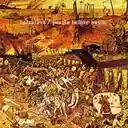
Formed in Melbourne (Florida – USA) in 1965, Tom Rapp's Pearls Before Swine released their stunning debut “One Nation Underground” on the small ESP-Disk in New York in 1967, but it was a year later that they created their masterpiece. “Balaklava” is a dark and at times mysterious album (already suggested by the reproduction on the cover of Pieter Bruegel the Elder's “The Triumph of Death”), with Rapp's deep and imprecise voice ominously emerging from a tapestry of psychedelic folk immersed in classical solutions with sporadic forays into bizarre “sampling.”
If the debut unfolded through delicate militant pacifism, this work sounds even more subdued and intimate, so much so that Rapp himself described his music as “constructive melancholy,” and the themes of war are portrayed with learned quotes borrowed from Lord Alfred Tennyson, who in his epic “The Charge Of The Light Brigade” describes the Battle of Balaklava in 1854 during the Crimean War; from George Santayana, from Herodotus, and they culminate in the final nightmare of “Ring Thing”, where the saga of Tolkien's “The Lord of the Rings” reigns.
Pearls Before Swine structure their music with psychedelic solutions and ventures into psych territories, without ever abandoning the folk foundation, and even the use of 'exotic' instruments for the period, like marimba or French horn, serve to paint the surreal landscapes described by Rapp. Indispensable episodes include the visionary “Translucent Carriage” or the bucolic “Lepers And Roses”, with a particular nod to the vibrant reinterpretation of Leonard Cohen's “Suzanne”.
Rapp, remaining the sole holder of the Pearls Before Swine trademark, created a couple more works with session musicians in the '70s before dedicating himself completely to a career as a civil rights attorney.
Loading comments slowly
Summary by Bot
Pearls Before Swine's 1968 album Balaklava is a dark, intimate psychedelic folk masterpiece. It blends war themes inspired by classic literature with experimental sounds and exotic instruments. Tom Rapp's distinctive voice and poetic lyrics create a haunting atmosphere. Noteworthy tracks include 'Translucent Carriage' and a vibrant cover of Leonard Cohen's 'Suzanne.' This album stands as a unique and influential marker in psychedelic folk.Tracklist Lyrics Videos
Pearls Before Swine
American psychedelic/acid-folk group formed in 1965 in Melbourne, Florida, led by singer-songwriter Tom Rapp. Debuted on ESP-Disk with One Nation Underground (1967) and Balaklava (1968), then moved to Reprise for later albums. Known for pacifist themes, surreal folk textures, and iconic art. Rapp later worked as a civil rights attorney.07 Reviews
