
 •
Rating:
•
Rating: THE REVIEW
There is that genre, progressive metal, which should be something amazing. I mean, the instrumental violence as a catalyst for anger with the damned world, hand in hand with the discursive sophistication made of lengthy compositions, often binding emotions of different natures.
There is that genre, progressive metal, that every time I hear it, I’m convinced again that it’s a crazy mess, and no one has made me change my mind yet. Master Jargonking said that the progressive in the dish of prog metal is like parsley, a spice and never the main ingredient.
Then there is Papangu, who fortunately are not progressive metal.
These guys play progressive rock with the violence and brutality of stonerdoomsludge and a certain sophistication due to influences like Naked City and Mr. Bungle; however, unlike them, Papangu prefers a certain continuity of the sound flow, without abrupt stops and changes, instead aiming for a more compelling, impetuous, martial, energetic sound, that is to say, Magmatic.
Not an easy or immediate approach, but what to expect given the premises?
The production is not the best, but for university students living in the poor Paraiba, it can be overlooked.
Sabem por que? Porque Papangu é foda!
Loading comments slowly
Summary by Bot
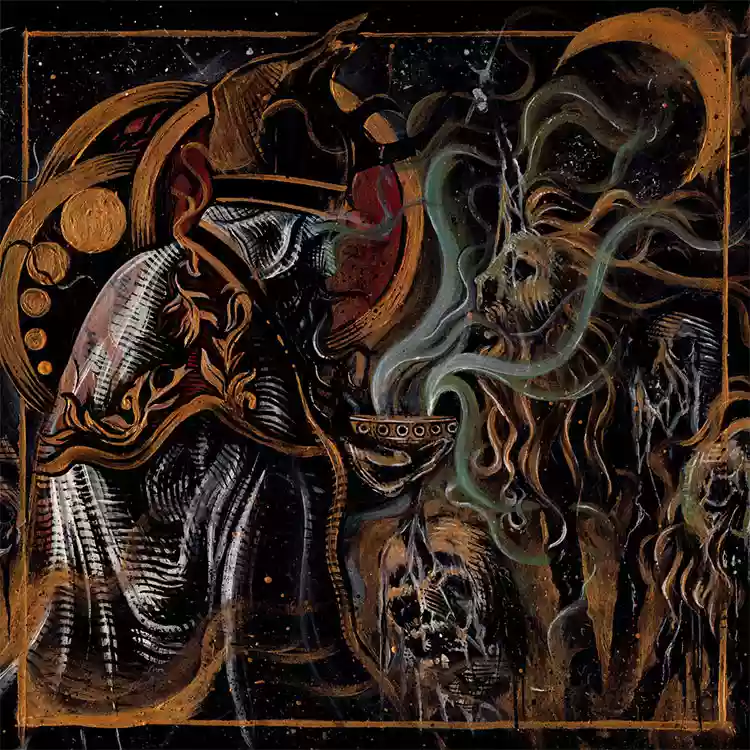
Papangu's Holoceno defies typical progressive metal clichés by delivering progressive rock infused with stoner doom and sludge elements. The album emphasizes a continuous, energetic sound flow inspired by avant-garde influences while maintaining a brutal and magmatic character. Despite modest production, the band's raw talent shines through. Overall, the album is praised for its strong identity and compelling execution.
Papangu
Brazilian group (Paraíba mentioned in reviews) playing progressive rock with stoner/doom/sludge intensity and experimental influences.01 Reviews
