
RickBaldinotti
3 feb
DeRank ™: 25,69
Prima di continuare su YouTube
"I must say that the Velvet Underground wrote and played sad music.
When I listen to them, I think of people I will never see again.
But that's the story of the art world.
Van Gogh cuts off his ear and parents sign permissions for their children to visit museums."
(From the liner notes of "Velvet Underground Live with Lou Reed 1969" by Elliot Murphy)
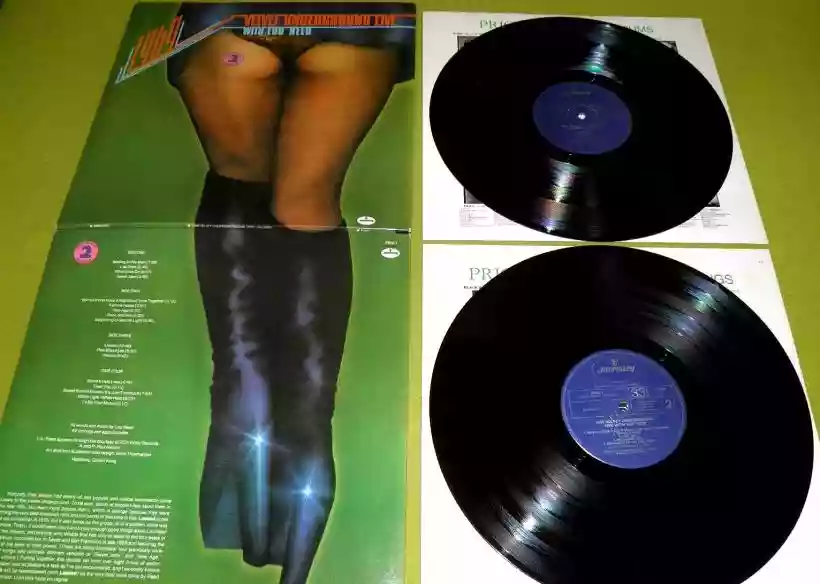
My friend Massimo Tinti writes about the double "Velvet Underground Live with Lou Reed 1969":
The fury had abated, the bites into the flesh that John Cale could deliver with his viola and bass were gone, the ministers of evil that were the Velvet Underground had pretty much disappeared.
We're in New York in 1969, just after the epic ugliness of "White Light / White Heat," after that album that was the exemplary report of how heroin mercilessly breaks the cartilage of the heart, shatters the brain and pupils, punches holes in instruments and gives everyone hepatitis.
The album, "White Light/White Heat," hadn't done well at all, and the other one, their debut with the banana sponsored by Andy Warhol, had ended up even worse. People didn't seem to like the Velvet Underground's Rock n Roll, decidedly too far ahead of its time, full of murky visions at the limits of the bearable, of unlucky souls who get high and sell themselves; of people still alive who walk through hell.
At that point Lou Reed, having gotten rid of Cale, without the slightest discouragement, takes the scepter in hand and shifts the Velvet Underground's direction toward lands more suited to his talent as a songwriter, as a storyteller who isn’t content with the filth of money but aims for the throne of glory.
His desire to be leader now insinuates itself everywhere, even into the most insignificant vein of the band's sound, into corners where he never cared to bring order and light before.
"Velvet Underground" (the gray one) is a completely different album from the other two, both in mood and in harmony; folk has completely taken the place of garage avant-garde, normality has replaced madness, in the den where crazy snakes huddled, ready to bite, now there are perfectly groomed harmonies that work almost instantly, right away. So what, the album is once again beautiful, full of drag queens, of clubs open all night, of pleas without explanations ("The Murder Mystery"), of songs that could work for eternity ("What Goes On").
But that album is just music, entirely oblivious to the never-before-seen something the Velvet Underground were capable of, no longer with the interrogative and reproaching gaze of John Cale, without that way of saying "but I'm not like you" that Christa Päffgen, a.k.a. Nico, had.
to be continued
"I must say that the Velvet Underground wrote and played sad music.
When I listen to them, I think of people I will never see again.
But that's the story of the art world.
Van Gogh cuts off his ear and parents sign permissions for their children to visit museums."
(From the liner notes of "Velvet Underground Live with Lou Reed 1969" by Elliot Murphy)
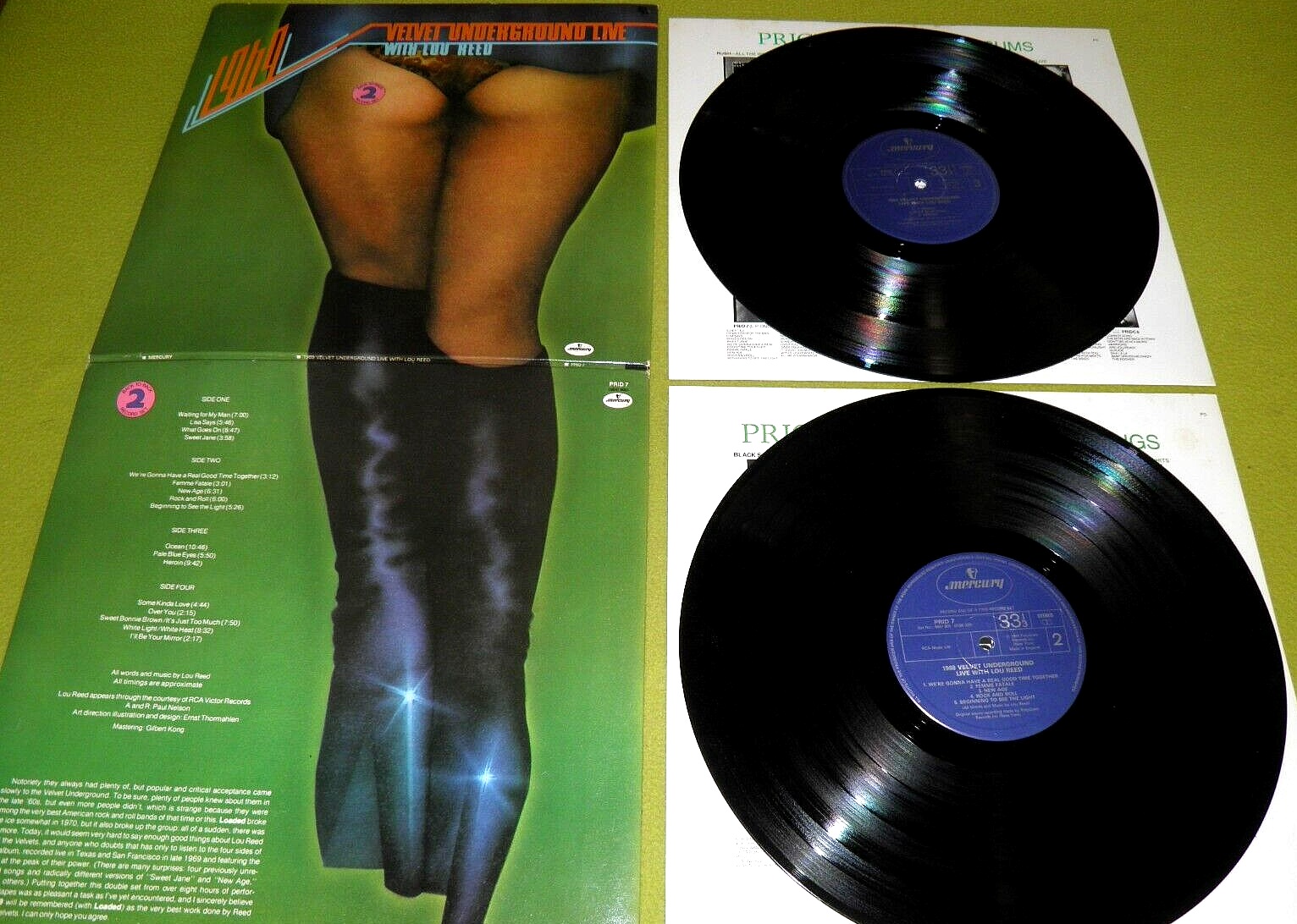
My friend Massimo Tinti writes about the double "Velvet Underground Live with Lou Reed 1969":
The fury had abated, the bites into the flesh that John Cale could deliver with his viola and bass were gone, the ministers of evil that were the Velvet Underground had pretty much disappeared.
We're in New York in 1969, just after the epic ugliness of "White Light / White Heat," after that album that was the exemplary report of how heroin mercilessly breaks the cartilage of the heart, shatters the brain and pupils, punches holes in instruments and gives everyone hepatitis.
The album, "White Light/White Heat," hadn't done well at all, and the other one, their debut with the banana sponsored by Andy Warhol, had ended up even worse. People didn't seem to like the Velvet Underground's Rock n Roll, decidedly too far ahead of its time, full of murky visions at the limits of the bearable, of unlucky souls who get high and sell themselves; of people still alive who walk through hell.
At that point Lou Reed, having gotten rid of Cale, without the slightest discouragement, takes the scepter in hand and shifts the Velvet Underground's direction toward lands more suited to his talent as a songwriter, as a storyteller who isn’t content with the filth of money but aims for the throne of glory.
His desire to be leader now insinuates itself everywhere, even into the most insignificant vein of the band's sound, into corners where he never cared to bring order and light before.
"Velvet Underground" (the gray one) is a completely different album from the other two, both in mood and in harmony; folk has completely taken the place of garage avant-garde, normality has replaced madness, in the den where crazy snakes huddled, ready to bite, now there are perfectly groomed harmonies that work almost instantly, right away. So what, the album is once again beautiful, full of drag queens, of clubs open all night, of pleas without explanations ("The Murder Mystery"), of songs that could work for eternity ("What Goes On").
But that album is just music, entirely oblivious to the never-before-seen something the Velvet Underground were capable of, no longer with the interrogative and reproaching gaze of John Cale, without that way of saying "but I'm not like you" that Christa Päffgen, a.k.a. Nico, had.
to be continued

DeBaser says
right now