
 •
Rating:
•
Rating:
THE REVIEW
This is a decent piece of Southern rock work from these veterans (the band still exists, releases new tracks, and gives concerts). Certainly not comparable to the first three debut albums, which are clearly the best, but among the most successful works of the remaining (until today) eight.
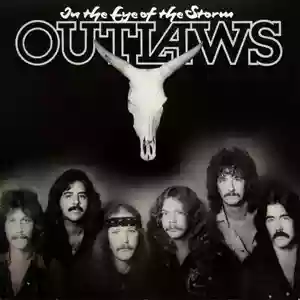
The peak of the record is the lethal second track “Long Gone,” an absolutely gritty and convincing affair thanks to Freddie Salem, one of the three guitarists in the lineup, who dominates it with both voice and especially guitars. The song primarily rests on a choppy rhythm that kicks off a fairly fast tempo, supporting two verses barked out by mustached Salem "(the second of six out of six mustaches on the cover… different times!) and then a solo by his hand, fluid and suffocating at the same time, riding a rhythm that occasionally breaks bravely, further enhancing the effectiveness of the whole affair: almost four minutes of real rock as it should preferably be, i.e., fiery and captivating, with the icing on the cake of a solo to be framed.
An interesting detail of the album is the fourth track, the surprising cover of “Miracle Man” from Elvis Costello's debut album(!) a couple of years earlier. Now, if there are two distant musical worlds in rock, they are those of Costello and the Outlaws, and it seems that the British bespectacled artist had at that time things to say about Southern rock in general and Outlaws in particular. From this perspective, the cover appears a bit like a good-humored mocking gesture… the rough American Southerners steeped in blues and country grappling with very British and Beatlesque harmonic sequences between major and relative minor keys sound a bit… well… As long as they're happy…
Poor Billy Jones, the beautiful-haired fourth mustache on the cover, bravely handles his “Comin' Home,” an ordinary boogie but with a pleasant multi-guitar development, and “Blueswater,” tense and harmonically agile in this guitarist's highly melodic style, later extended by the typical series of solos, one for each soloist.
“(Come On) Dance With Me,” composed with six hands, reveals itself aspirationally “commercial,” and as a potential attempt to make people dance, it sounds truly hopeless. Complete fillers are also “It’s All Right” and “Too Long Without Her,” both by the late guitarist Hughie Thomasson (mustache + bandana, on the cover), quite out of focus in this record.
However, the opening of the album “The Lights Are On (But Nobody’s Home)” is very successful, and this right from the title… The Outlaws exhibit their best numbers in it, namely grit, the unusual (for Southern rock) richness and skill in the choruses, rattling in turn with different style but equal conviction of all three guitars. It's a pity for the excessively compressed sounds.
Three stars for this early 1979 work (and half, come on, primarily due to “Long Gone”).
Loading comments slowly
Summary by Bot
This 1979 album by the Outlaws delivers a decent Southern rock experience, with the standout track 'Long Gone' showcasing Freddie Salem’s guitar and vocal prowess. The cover of Elvis Costello's 'Miracle Man' offers an unexpected cross-genre twist, while some tracks feel like fillers. Despite some compressed production, the album highlights the band's skill and grit, though it doesn't quite match their early classics.Tracklist
Outlaws
Outlaws are a southern rock band from Tampa, Florida, known for a three-guitar lineup and rich vocal harmonies. Reviews highlight guitarist Hughie Thomasson as a central figure and praise the band’s 1970s output—especially extended live performances and the epic “Green Grass & High Tides”—while describing later decades as more uneven but still active.11 Reviews
