
 •
Rating:
•
Rating:
THE REVIEW
1973 was for Osanna primarily the year of the unbeatable "Palepoli" but also the year of the economic disaster at the Be-In, a pop festival they organized in Naples. Some issues between Elio D'Anna, Danilo Rustici, and their record company, Fonit, contributed to a gradual distancing among the members of the Neapolitan quintet and highlighted the personal and artistic divergences that had developed in recent months.
In 1974, "Landscape of Life" seems to confirm the impending split of the band. The album significantly departs from the concept form that characterized L’Uomo and Palepoli and is permeated by a certain underlying "indecision" that manifests in the presence of only two tracks in Italian and as many as five in English. To a keen ear, it is hard to miss the Crimson-esque references (In The Wake Of Poseidon) that can be especially heard at the beginning of the record.
That said, the band's skill is confirmed yet again; tracks like "Il Castello dell'Es," "Fiume," or the title track can comfortably be listed among the most successful of Italian progressive. The album opens with the aforementioned "Il Castello dell'Es" and "Landscape of Life," worth listening to again and again, followed by the less impactful "Two Boys" and "Fog in my Mind." It continues with the sweet acoustic melodies that flow from "Promised Land" to the pastoral "Fiume." "Somehow, Somewhere, Sometime" is a fitting instrumental closing to an album that proves absolutely pleasant to listen to, even for those who do not love RPI.
Evidently, after the exploit of "Palepoli", outdoing themselves would have been a Herculean task, yet Landscape of Life remains a more than valid album. If the structural aspect of the work had been more polished, it could probably be considered on par with the previous works, but this can easily be attributed to the internal disputes that were now undermining the group.
After its release, the band disbanded only to regroup in 1977 without Elio D'Anna, who was replaced by keyboardist Fabrizio D'Angelo, and with Enzo Petrone on bass.
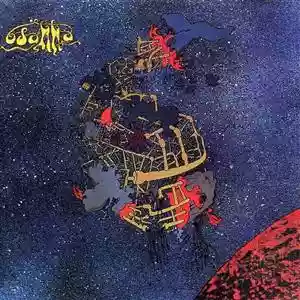
P.S. The splendid cover, depicting a decomposing whale, is the work of drummer Massimo Guarino and is considered one of the most beautiful of Italian progressive.
Loading comments slowly
Summary by Bot
Landscape of Life by Osanna, released in 1974, reflects the band's internal tensions and artistic shifts. The album departs from the previous concept style, featuring a mix of English and Italian songs. Despite not surpassing their classic Palepoli, the album contains standout progressive rock tracks and showcases the band's musical skill. The artwork by drummer Massimo Guarino is notably praised. The band disbanded shortly after but remained a key name in Italian prog history.Tracklist Videos
Osanna
Osanna are a Neapolitan progressive rock group formed in 1971, known for theatrical stage makeup and a fusion of rock, jazz and Neapolitan folk. They debuted with L’uomo, collaborated with Luis Bacalov on the Milano Calibro 9 soundtrack (Preludio Tema Variazioni Canzona), and released the landmark Palepoli before Landscape of Life and, after regrouping, Suddance. Later activity includes live and studio releases such as Rosso Rock.09 Reviews
