 •
Rating:
•
Rating:
THE REVIEW
It is from the arid Israeli lands that one of those bands, said by many insiders to be one of the best in the metal scene, came to life in 1991: Orphaned Land.
The group, formed by Kobi Farhi on vocals, Matti Svatitzki and Yossi Sassi on guitars, Sami Bachar on drums, and Uri Zelcha on bass, decided to take their first steps in the Israeli musical underground, offering music that may not be to everyone's taste, but certainly manages to get noticed for being particularly original and fresh, even though it doesn't present anything genuinely new: the genre proposed by the combo can be broadly defined as death doom metal (I'm naturally speaking about the band's origins, not today), with various influences coming from both progressive and, more significantly, Jewish folk music.
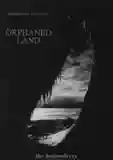
The first album that emerges from this musical blend is the extremely rare "The Beloved's Cry," a demo dating back to 1993, produced, distributed, and recorded by the band members themselves, who brought to life six songs, ranging from four and a half minutes to just under nine minutes. Starting with "Season Unite", moving on to "Above You All", through the central trio of "Pits Of Despair", "The Beloved's Cry", and "My Requiem", ending with the final "Orphaned Land - The Storm Still Rages Inside...", it is evident how these five musicians, while showing a certain aggressiveness in each of the six compositions, highlighted especially by Farhi's deep growl and square, powerful guitar riffs, are also very careful not to betray their cultural roots, inserting within each track various elements clearly derived from Israeli folk music, using typical instruments from the tradition of their land and more generally of Arabic music. Alongside these two strong influences, there is also the clear desire of the band to showcase first-rate technical abilities, creating extremely refined and complex melodies that rest on ever-evolving tempos.
The work of each member is commendable, but from a technical standpoint, the bass stands out in the album, finding its space both in the rhythmic and melodic sections, delivering solos of great technical complexity, demonstrating not only preparation backed by years and years of study but also a truly advanced composing taste, common anyway to the rest of the group as well.
Despite the album being, as mentioned before, completely self-produced, we are faced with a work that is quite well-recorded, presenting negligible flaws that don't undermine its listening pleasure.
Loading comments slowly
Summary by Bot
Orphaned Land's 1993 demo, The Beloved's Cry, showcases their early blend of death doom metal with Jewish and Arabic folk influences. Despite being self-produced, the album delivers impressive technical skill, especially on bass, and captures the band's unique cultural roots. While it may not be for all listeners, it stands out as an original and fresh contribution to the metal scene.Tracklist Lyrics
Orphaned Land
Orphaned Land is an Israeli metal band formed in 1991, widely credited with pioneering oriental metal by blending Middle Eastern and North African folk elements with progressive, death and doom metal. Known for concept-driven albums and themes of spirituality and coexistence, their catalog includes Mabool and The Never Ending Way of ORwarriOR.04 Reviews
